



Description
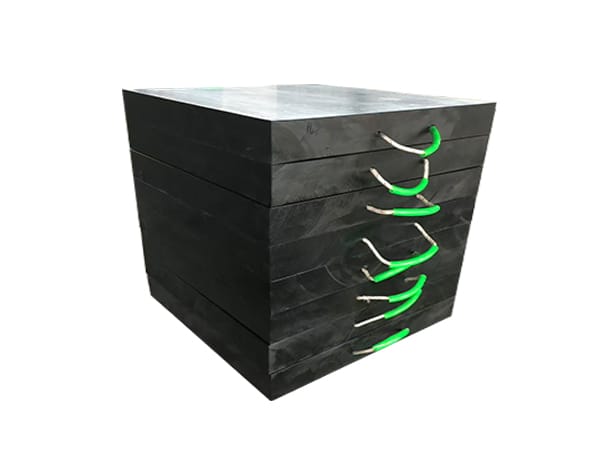
Custom Crane Stabilizer Pads should be specified around a clear buying intent: custom stabilizer pad sizing. Custom crane stabilizer pads are made around equipment foot size, reaction load, ground condition, required footprint, thickness, and handling preferences.
The fastest way to get a useful quotation is to send the drawing, target dimensions, quantity, working condition, installation method, and any inspection or packing requirement at the start of the inquiry.

Custom sizing starts with equipment data
Buyers should provide stabilizer foot dimensions, expected reaction load, ground condition, and the required pad footprint. Custom size should solve a load-spreading problem, not just match a preferred shape.
Handling and storage affect the design
Pads used by field crews need practical handle placement, weight control, cleaning, stacking, and vehicle storage. These details can matter as much as the material name.
How this page differs from cribbing
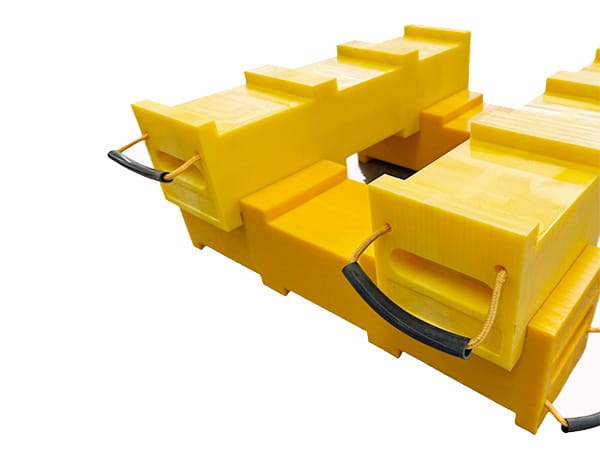
Stabilizer pads are usually single bearing pads under equipment feet. Cribbing blocks are arranged to build support height or a support base.
Specification checklist
| Equipment | Crane or vehicle model, foot size and load data. |
| Pad format | Footprint, thickness, shape and handle type. |
| Ground | Soil, pavement, slope, water and site preparation. |
Acceptance and purchasing checks
For custom stabilizer pads, the main decision is the relationship between stabilizer foot size and pad footprint. A pad that is convenient to carry may still be too small for the site condition, while an oversized pad may be hard for crews to handle.
Buyers should document expected use by vehicle type. Utility trucks, service vehicles, aerial platforms, and cranes can require different pad thickness, handle style, and storage planning.
For this Custom Crane Stabilizer Pads page, the inquiry should stay tied to custom stabilizer pad sizing. The buyer should organize the request around these product-specific points: Equipment: Crane or vehicle model, foot size and load data.; Pad format: Footprint, thickness, shape and handle type.; Ground: Soil, pavement, slope, water and site preparation.. That information lets the supplier separate this page from nearby product categories and review the correct production route, inspection scope, labeling needs, and packing method before quotation.
When the final order is prepared, reference Custom Crane Stabilizer Pads by product name, drawing revision, quantity, and the agreed material description so purchasing, production, and inspection teams work from the same record.
This also gives future buyers a clearer search result for custom crane stabilizer pads instead of another broad, interchangeable plastic product page.
Related product choices
Related pages for clearer product selection include heavy-duty crane cribbing blocks, UHMWPE outrigger pads, UHMWPE crane outrigger pads. Reviewing the closest product path helps prevent one broad plastic-material page from competing with a more specific application page.
Conclusion
Custom Crane Stabilizer Pads is best handled as a specific industrial purchasing request. Clear drawings, application details, and acceptance requirements help SDYZ Plastic review the correct material form and production scope.
FAQ
Can stabilizer pads be custom sized?
Yes. Provide load, foot size, ground condition and preferred pad dimensions.
What handle options matter?
Handle position and type affect carrying, cleaning and truck storage.
Are stabilizer pads cribbing blocks?
No. Stabilizer pads support a foot; cribbing blocks are support blocks.