

Description
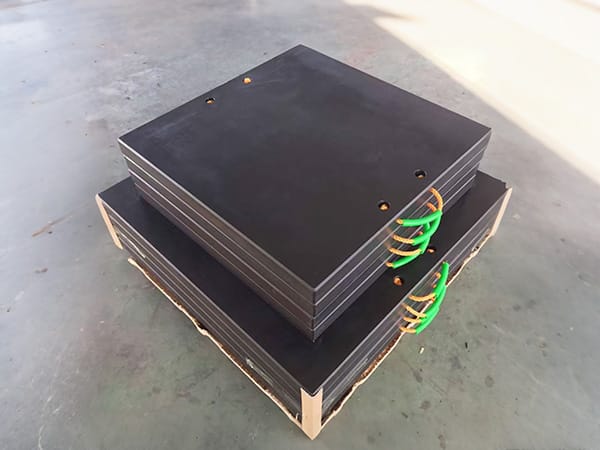
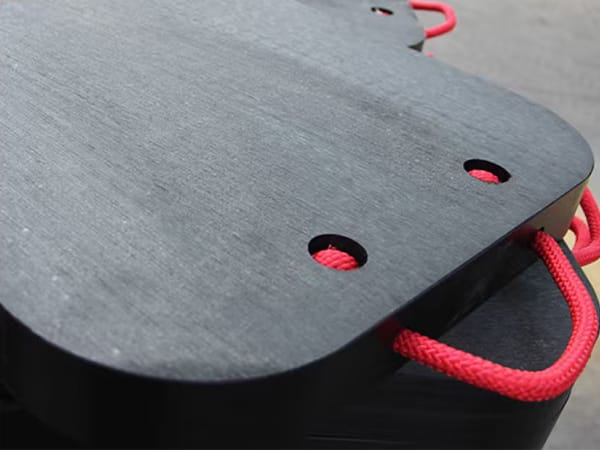
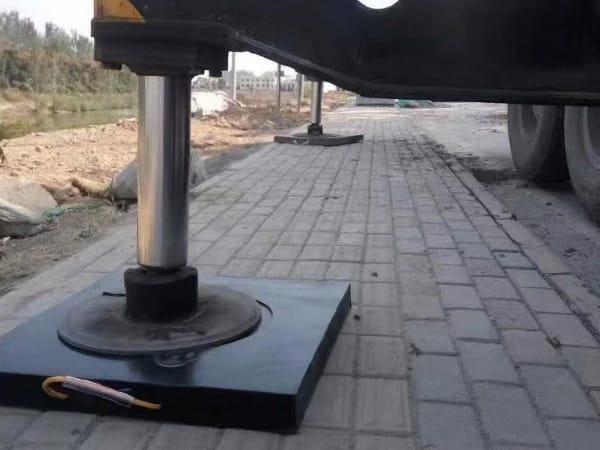
UHMWPE outrigger pads are used under stabilizer feet and outriggers to help spread concentrated equipment loads over a wider bearing area. The pad cannot be selected by size alone; it must be matched to reaction load, foot shape, ground condition, and jobsite procedure.
This page is for buyers comparing reusable plastic support pads for cranes, utility trucks, aerial work platforms, service vehicles, and field equipment. It should not be confused with temporary access mats, which solve a different problem.
How to specify UHMWPE Outrigger Pads
The material background can be reviewed through OSHA ground conditions rule, but the purchase specification should be based on the actual drawing, operating condition, inspection need, and installation method.
The load question buyers must answer first
The starting point is the maximum expected outrigger reaction, not the vehicle's gross weight. Equipment manuals, lift plans, and site procedures may define the load case that the buyer needs to consider.
Pad area, pad thickness, and ground bearing capacity work together. A larger pad can spread the load, but the site still requires ground assessment by qualified personnel where safety-critical lifting or stabilization is involved.
Pad shape, handle, and field handling
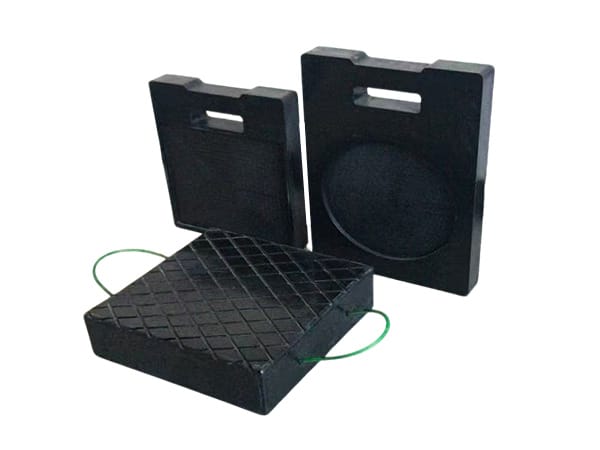
Round pads are often easy to position under circular feet, while square or rectangular pads may be easier to align along vehicle sides or stack in service trucks. The best shape depends on equipment, storage, and crew habits.
Handles are not cosmetic. Rope handles, cut handles, or other handling details affect how crews carry wet or dirty pads, especially when pads are thick or used repeatedly in field service.
Why outrigger pads are not ground mats
An outrigger pad supports a concentrated stabilizer point. A ground mat protects or reinforces a path. Using one product to solve the other problem can leave the buyer with poor fit, awkward handling, or an unsupported load case.
For cranes and heavy equipment, buyers should follow the equipment manufacturer's instructions and applicable site safety rules. The linked OSHA page provides regulatory context for ground conditions in construction lifting work.
Application and RFQ checklist
| Reaction load | Use equipment data, lift plan, or engineering review rather than a guess. |
| Outrigger foot | Measure foot diameter or plate size and check whether the foot sits fully on the pad. |
| Ground condition | Review soil, pavement, slope, water, voids, and site preparation. |
| Handling | Confirm pad weight, handle style, cleaning, stacking, and truck storage. |
Related product paths
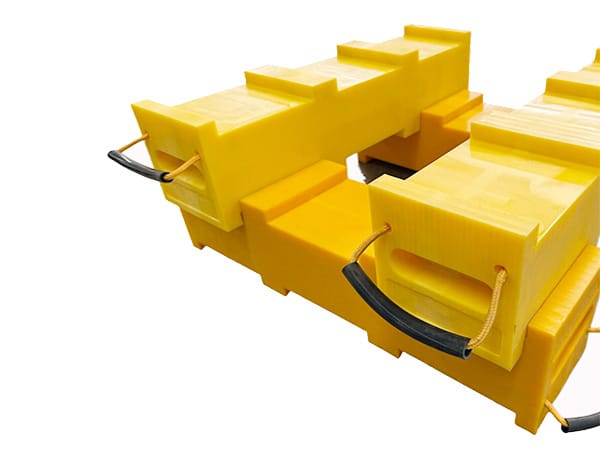
Buyers comparing this product can also review UHMWPE crane outrigger pads, heavy-duty crane cribbing blocks, HDPE ground mats. These internal links separate material sheet, machined component, support-pad, and access-mat intent so the product pages do not compete for the same query.
Before requesting a quotation
Send the product name, drawing or target size, thickness, quantity, working environment, surface or machining requirement, tolerance expectation, and packing notes. If the product replaces a failed part, photos of the damaged or worn area can help identify the actual selection problem.
Conclusion
UHMWPE Outrigger Pads should be selected around a specific use case, not a generic plastic category. A concise RFQ with application details helps SDYZ Plastic review the suitable material form, processing scope, and repeat-order requirements.
FAQ
What are UHMWPE outrigger pads used for?
They are used under outriggers or stabilizers to help distribute concentrated equipment loads over a larger contact area.
How do buyers choose outrigger pad size?
Buyers should confirm outrigger reaction load, foot size, ground condition, required bearing area, pad thickness, and handling method.
Are outrigger pads the same as crane cribbing blocks?
No. Pads provide a bearing surface under the foot; cribbing blocks are used in stacked support arrangements and need separate review.
Can UHMWPE outrigger pads be customized?
Custom footprint, thickness, handle type, color, and marking can be discussed based on drawing and application details.
What should be checked before use?
Check ground condition, pad placement, equipment instructions, visible pad damage, and whether the stabilizer foot is centered on the pad.