
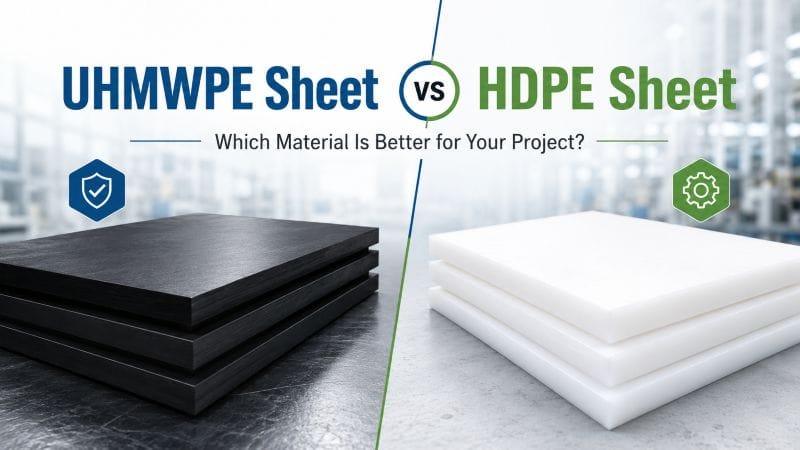
Selecting the right plastic material is a critical step in industrial equipment design and manufacturing. A material that works well in one application may fail in another if its properties do not match the operating environment.
Industrial components are exposed to different challenges, including friction, abrasion, impact, chemicals, moisture, and continuous mechanical stress. Choosing the wrong material can lead to increased maintenance costs, shorter service life, and unexpected equipment downtime.
Table of Contents
What Are UHMW PE and HDPE?
UHMW PE and HDPE are both polyethylene materials, but they are designed for different industrial purposes.
The main difference comes from their molecular weight and structure.
Higher molecular weight gives UHMW PE its unique combination of low friction, impact resistance, and abrasion resistance, while HDPE provides excellent balance between durability, chemical resistance, and processing flexibility.
Both materials are considered important members of the engineering plastics family and are widely used in modern manufacturing.
What Is UHMW PE Sheet?
UHMW PE stands for Ultra High Molecular Weight Polyethylene.
It is a specialized engineering plastic developed for demanding applications where wear resistance and smooth movement are important.
The extremely long molecular chains of UHMW PE create a material with outstanding physical properties.
Key advantages of UHMW PE sheet include:
- Excellent abrasion resistance
- Extremely low friction coefficient
- High impact strength
- Self-lubricating performance
- Chemical resistance
- Moisture resistance
- Long service life
Because of these advantages, UHMW PE sheet is commonly used in industries where equipment components must withstand constant movement and harsh working conditions.
Typical applications include:
- Conveyor wear strips
- Chain guides
- Sliding rails
- Hopper liners
- Chute liners
- Mining equipment components
- Material handling systems
For industrial customers requiring customized sizes and specifications, YunZhan provides UHMW PE sheets designed for different wear-resistant applications.
What Is HDPE Plastic Sheet?
HDPE stands for High Density Polyethylene.
It is one of the most widely used industrial plastic materials because of its excellent durability, chemical resistance, and versatility.
Compared with UHMW PE, HDPE offers a more balanced performance profile and is easier to fabricate.
Important characteristics of HDPE plastic sheet include:
- Good impact resistance
- Excellent chemical resistance
- Low moisture absorption
- Lightweight structure
- Easy machining and fabrication
- Good outdoor durability
HDPE plastic sheet is commonly used for:
- Chemical storage tanks
- Industrial liners
- Protective barriers
- Water treatment equipment
- Fabricated plastic components
- Machine protection panels
For applications requiring reliable chemical resistance and durable industrial performance, YunZhan offers HDPE plastic sheets for various manufacturing needs.
UHMW PE Sheet vs HDPE Sheet: Key Differences
Although UHMW PE and HDPE belong to the same polyethylene family, their performance characteristics are different.
| Property | UHMW PE Sheet | HDPE Sheet |
|---|---|---|
| Molecular structure | Ultra high molecular weight polyethylene | High density polyethylene |
| Wear resistance | Excellent | Good |
| Friction coefficient | Extremely low | Moderate |
| Impact resistance | Excellent | High |
| Chemical resistance | Excellent | Excellent |
| Processing difficulty | More challenging | Easier |
| Cost level | Higher | More economical |
| Best applications | High-wear environments | General industrial applications |
The right choice depends on the actual working conditions rather than simply comparing price.
A lower-cost material may not always be the most economical option if frequent replacement is required.
Wear Resistance: Why UHMW PE Is Preferred for High-Wear Applications
Wear resistance is one of the most important differences between UHMW PE and HDPE.
In industrial environments, continuous friction can gradually damage components. Conveyor systems, for example, operate for long hours with repeated contact between moving parts.
UHMW PE performs exceptionally well in these conditions because of its:
- Low friction surface
- High abrasion resistance
- Impact absorption capability
- Long operational lifespan
Typical wear-resistant applications include:
- Conveyor wear plates
- Sliding components
- Guide rails
- Material handling liners
- Mining equipment protection
For applications where reducing downtime and extending component life are priorities, UHMW PE is often the preferred choice.
Friction Performance: UHMW PE Provides Smoother Operation
Friction affects equipment efficiency, energy consumption, and maintenance requirements.
High friction can result in:
- Faster component wear
- Increased heat generation
- Higher operating costs
- More frequent replacement
UHMW PE has one of the lowest friction coefficients among industrial plastic materials.
This makes it ideal for:
- Conveyor systems
- Sliding surfaces
- Chain guides
- Wear strips
- Mechanical movement components
In many applications, UHMW PE can reduce the need for lubrication and improve overall equipment performance.
HDPE also provides good sliding characteristics, but UHMW PE offers better performance in continuous movement applications.
Impact Resistance Comparison
Both UHMW PE and HDPE provide excellent impact resistance compared with many traditional plastics.
However, UHMW PE generally performs better when exposed to repeated impact.
This makes it suitable for industries such as:
- Mining
- Bulk material handling
- Heavy machinery
- Transportation systems
HDPE remains an excellent choice for applications where strong impact resistance is required but extreme wear performance is not necessary.
What Are UHMW PE and HDPE?
UHMW PE and HDPE are two of the most widely used polyethylene-based engineering plastic materials in industrial applications. Although they belong to the same polymer family, their molecular structures give them different performance characteristics.
The main difference between these two materials comes from their molecular weight and internal structure. UHMW PE contains extremely long molecular chains, which provide exceptional wear resistance, impact strength, and low friction performance. HDPE, while having a lower molecular weight structure, offers excellent durability, chemical resistance, and easier processing characteristics.
Both materials are widely used as industrial plastic sheets for applications where traditional materials may not provide the required balance of performance, maintenance, and service life.
For customers looking to understand the wider range of high-performance materials available, our complete guide to Engineering Plastics: A Complete Guide to Materials, Properties, Applications, and Selection provides an overview of different engineering plastics and their industrial applications.
Choosing between UHMW PE and HDPE depends on several factors, including:
- Operating environment
- Mechanical load
- Friction requirements
- Chemical exposure
- Required service life
Understanding these differences helps engineers and purchasing teams select the most suitable material for their projects.
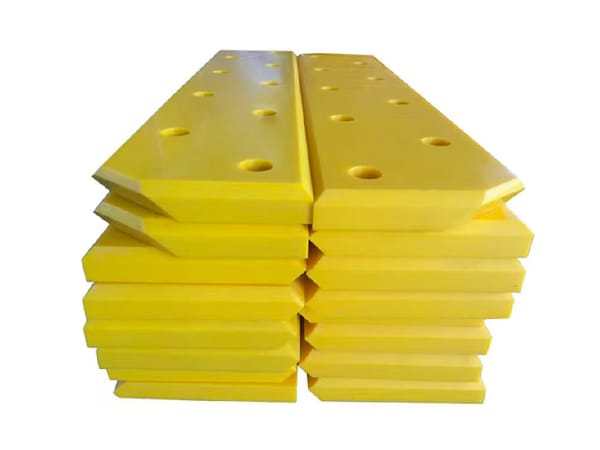
What Is UHMW PE Sheet?
UHMW PE (Ultra High Molecular Weight Polyethylene) is a high-performance engineering plastic designed for applications requiring excellent wear resistance, low friction, and long-term durability.
The unique molecular structure of UHMW PE gives it outstanding performance in demanding industrial environments.
Compared with standard polyethylene materials, UHMW PE provides superior resistance against abrasion and impact, making it one of the preferred materials for applications involving continuous movement.
Key advantages of UHMW PE sheet include:
- Excellent abrasion resistance
- Extremely low friction coefficient
- High impact strength
- Self-lubricating properties
- Excellent chemical resistance
- Low moisture absorption
- Long service life
Because of these properties, UHMW PE is commonly used in:
- Conveyor systems
- Wear strips
- Chain guides
- Sliding plates
- Hopper liners
- Chute liners
- Mining equipment
- Material handling systems
For industrial applications requiring reliable wear-resistant solutions, YunZhan provides customized UHMW PE sheets for different operating environments.
What Is HDPE Plastic Sheet?
HDPE (High Density Polyethylene) is a versatile industrial plastic material known for its durability, chemical resistance, and excellent moisture resistance.
Unlike UHMW PE, which is mainly selected for extreme wear applications, HDPE provides a balanced combination of strength, processability, and cost efficiency.
HDPE plastic sheet is widely used in applications where reliable performance and easy fabrication are important.
Main characteristics include:
- Excellent chemical resistance
- Good impact resistance
- Low moisture absorption
- Lightweight structure
- Easy machining and fabrication
- Good outdoor durability
Common HDPE applications include:
- Chemical storage tanks
- Industrial liners
- Protective panels
- Water treatment equipment
- Fabricated components
- Equipment protection systems
For customers requiring durable and versatile plastic sheet solutions, YunZhan supplies HDPE plastic sheets for various industrial applications.
UHMW PE Sheet vs HDPE Sheet: Key Differences
Although UHMW PE and HDPE are both polyethylene materials, their performance differences make them suitable for different industrial conditions.
| Property | UHMW PE Sheet | HDPE Sheet |
|---|---|---|
| Material Type | Ultra High Molecular Weight Polyethylene | High Density Polyethylene |
| Wear Resistance | Excellent | Good |
| Friction Performance | Extremely low | Moderate |
| Impact Resistance | Excellent | High |
| Chemical Resistance | Excellent | Excellent |
| Machining | More challenging | Easier |
| Cost | Higher | More economical |
| Best Applications | High-wear environments | General industrial applications |
The best material choice depends on the actual working conditions rather than simply the initial material cost.
A higher-performance material may provide better long-term value by reducing replacement frequency and maintenance requirements.
Wear Resistance: Why UHMW PE Is Preferred for High-Wear Applications
Wear resistance is one of the biggest differences between UHMW PE and HDPE.
Industrial components often experience continuous friction during operation. Conveyor systems, for example, may run for thousands of hours while materials constantly move across contact surfaces.
Over time, friction can cause:
- Surface damage
- Increased maintenance
- Component replacement
- Production interruptions
UHMW PE is specifically designed to reduce these problems.
Its excellent abrasion resistance makes it suitable for:
- Conveyor wear plates
- Sliding components
- Guide rails
- Material handling liners
- Mining applications
The low-friction surface of UHMW PE allows components to operate smoothly while reducing wear on both the plastic part and connected equipment.
Friction Performance: UHMW PE Provides Smoother Operation
Friction directly affects equipment efficiency and component lifespan.
High friction can increase:
- Energy consumption
- Heat generation
- Mechanical wear
- Maintenance requirements
UHMW PE has one of the lowest friction coefficients among industrial plastic materials.
This makes it particularly suitable for:
- Conveyor systems
- Chain guides
- Sliding surfaces
- Wear strips
- Moving mechanical components
Compared with HDPE, UHMW PE provides better performance in applications where continuous movement and reduced friction are critical.
Impact Resistance Comparison
Both UHMW PE and HDPE provide excellent impact resistance compared with many conventional plastic materials.
However, UHMW PE generally performs better in environments involving repeated impact.
This makes it suitable for industries such as:
- Mining
- Bulk material handling
- Heavy machinery
- Industrial transportation
HDPE remains an excellent option where impact resistance is required but extreme wear performance is not the main priority.
Chemical Resistance: UHMW PE and HDPE Both Perform Well
Chemical resistance is an important consideration in industrial material selection.
Both UHMW PE and HDPE can withstand exposure to many:
- Acids
- Alkalis
- Chemicals
- Moisture conditions
This makes them suitable for:
- Chemical processing
- Water treatment
- Storage systems
- Industrial protection applications
HDPE is widely selected for chemical tanks and fabricated structures because of its processing advantages.
UHMW PE provides similar chemical resistance while offering additional wear protection in mechanically demanding environments.
Material selection should consider:
- Chemical concentration
- Exposure duration
- Temperature
- Mechanical stress
International testing and material standards provided by organizations such as ASTM International help manufacturers evaluate material performance for industrial applications.
Machining and Fabrication Differences Between UHMW PE and HDPE
When selecting an industrial plastic sheet, processing requirements are another important factor to consider.
Although UHMW PE and HDPE can both be customized into different shapes and sizes, their different molecular structures affect machining and fabrication performance.
HDPE is generally easier to process because of its balanced mechanical properties. It can be easily cut, drilled, welded, and fabricated into customized components.
Common HDPE fabrication applications include:
- Protective panels
- Chemical equipment components
- Storage systems
- Machine covers
- Custom industrial structures
UHMW PE can also be machined, but its unique molecular structure requires more specialized processing methods.
Because UHMW PE is softer and more elastic than many engineering plastics, machining parameters need to be carefully controlled to achieve accurate dimensions and surface quality.
UHMW PE is commonly processed into:
- Wear plates
- Conveyor components
- Sliding parts
- Guide rails
- Custom liners
For companies requiring customized engineering plastic components, working with an experienced engineering plastics supplier can help ensure the correct material selection and processing method.
Common Applications of UHMW PE Sheet
UHMW PE sheet is widely used in industries where abrasion, friction, and impact are major challenges.
Its combination of low friction and excellent wear resistance makes it a preferred choice for many heavy-duty industrial applications.
Conveyor Systems
Conveyor equipment operates continuously and requires materials that can withstand repeated movement.
Components such as:
- Wear strips
- Chain guides
- Sliding rails
- Conveyor liners
are constantly exposed to friction.
UHMW PE helps improve conveyor performance by reducing resistance between moving parts and extending component service life.
Industries including:
- Food processing
- Packaging
- Logistics
- Manufacturing
often use UHMW PE components to improve efficiency and reduce maintenance requirements.
Material Handling Equipment
Bulk material movement creates significant abrasion.
Materials such as minerals, grains, and industrial products can damage traditional surfaces over time.
UHMW PE liners are commonly installed in:
- Hoppers
- Chutes
- Bins
- Transfer points
The smooth surface helps materials flow more easily while reducing sticking and buildup.
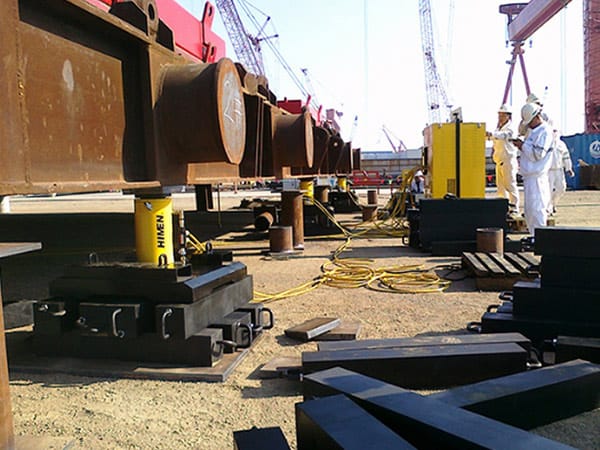
Mining and Heavy Industry
Mining environments require materials that can withstand extreme conditions.
Equipment is exposed to:
- Heavy impact
- Abrasive materials
- Continuous operation
UHMW PE is commonly used for:
- Wear liners
- Impact surfaces
- Protective plates
because it provides excellent impact absorption and abrasion resistance.
Common Applications of HDPE Plastic Sheet
HDPE plastic sheet is widely used in applications where chemical resistance, durability, and fabrication flexibility are important.
Chemical Processing Equipment
HDPE is commonly selected for chemical applications because of its resistance to many corrosive substances.
Typical uses include:
- Chemical storage tanks
- Protective liners
- Containment systems
- Processing equipment
Its stable performance makes HDPE a reliable material for industries that require long-term chemical resistance.
Water Treatment Systems
HDPE performs well in wet environments because of its low moisture absorption and excellent corrosion resistance.
Applications include:
- Water treatment equipment
- Tank liners
- Protective structures
- Industrial piping protection
Industrial Fabrication Projects
One of the advantages of HDPE is its ease of fabrication.
It can be customized into different shapes and structures for industrial applications, including:
- Machine guards
- Protective covers
- Industrial partitions
- Custom plastic components
UHMW PE vs HDPE: Which Material Should You Choose?
There is no single material that is suitable for every industrial application.
The correct choice depends on the actual working conditions and performance requirements.
Choose UHMW PE Sheet When You Need Maximum Wear Resistance
UHMW PE is usually the better choice when the application involves:
- Continuous friction
- Heavy abrasion
- Sliding movement
- Repeated impact
Typical examples include:
- Conveyor wear strips
- Mining liners
- Sliding plates
- Material handling components
In these environments, UHMW PE can provide longer service life and reduce equipment maintenance.
Choose HDPE Sheet When You Need Chemical Resistance and Easy Fabrication
HDPE is often preferred when the application requires:
- Chemical resistance
- Moisture resistance
- Easy processing
- Cost-effective performance
Typical applications include:
- Chemical tanks
- Protective panels
- Industrial liners
- Fabricated structures
For many general industrial applications, HDPE provides an excellent balance between performance and cost.
How to Select the Right Industrial Plastic Sheet Material
Choosing between UHMW PE and HDPE requires evaluating several important factors.
Consider the Operating Environment
The first step is understanding how the material will be used.
Important questions include:
- Will the component experience continuous movement?
- Is abrasion a major concern?
- Will it contact chemicals?
- Will it operate outdoors?
- How long should the component last?
A conveyor component and a chemical storage liner may both require plastic sheets, but they need completely different material characteristics.
Evaluate Friction and Wear Requirements
If the application involves continuous sliding or movement, friction performance becomes critical.
Applications requiring:
- Low friction
- Reduced wear
- Smooth movement
usually benefit from UHMW PE.
For less demanding applications, HDPE may provide sufficient performance.
Consider Mechanical Loads
Mechanical stress can significantly affect material selection.
Heavy-duty applications involving:
- High pressure
- Repeated impact
- Continuous loading
often require materials with excellent toughness and durability.
UHMW PE generally provides better performance under severe mechanical conditions.
Evaluate Temperature Conditions
Temperature can affect plastic performance.
When selecting a material, consider:
- Continuous operating temperature
- Heat generated by friction
- Environmental temperature changes
Both UHMW PE and HDPE perform well in many industrial environments, but specialized applications may require additional evaluation.
Consider Long-Term Cost
The lowest purchase price does not always mean the lowest overall cost.
A material with better wear resistance may reduce:
- Replacement frequency
- Equipment downtime
- Maintenance costs
For industrial applications, long-term performance is often more important than initial material price.
How to Choose a Reliable Engineering Plastics Supplier
Selecting the right material is only one part of a successful industrial project.
A reliable supplier should provide not only quality products but also professional technical support.
Material Selection Experience
Different applications require different material solutions.
An experienced supplier should understand:
- Operating conditions
- Load requirements
- Wear factors
- Chemical exposure
- Processing methods
This allows customers to choose materials based on actual performance requirements.
Consistent Product Quality
Industrial applications require stable and reliable material performance.
Important quality factors include:
- Uniform thickness
- Accurate dimensions
- Consistent mechanical properties
- Reliable production processes
Quality management systems based on international standards such as ISO help manufacturers maintain consistent production practices.
Custom Manufacturing Capability
Many industrial customers require customized solutions rather than standard sizes.
A capable supplier should support:
- Custom sheet dimensions
- Cutting services
- Machining
- Fabrication
- Application-specific solutions
Technical Support
Engineering plastic selection can be complex.
A professional supplier should help customers evaluate the complete application, including:
- Working environment
- Performance requirements
- Expected service life
This approach helps customers avoid incorrect material choices and improve long-term equipment reliability.
Why Choose YunZhan for Engineering Plastic Solutions
Selecting the right engineering plastic material is essential for improving equipment performance, reducing maintenance costs, and extending service life.
YunZhan provides professional engineering plastic solutions for industrial customers who require reliable materials, customized specifications, and application-based recommendations.
With experience in industrial plastic applications, YunZhan helps customers choose suitable materials according to different working conditions, including friction levels, mechanical loads, chemical exposure, and environmental requirements.
YunZhan focuses on providing:
- High-quality engineering plastic materials
- UHMW PE sheet solutions
- HDPE plastic sheet products
- Customized plastic components
- Industrial wear-resistant solutions
- Professional material selection support
Whether customers need wear-resistant plastic sheets for conveyor systems, chemical-resistant materials for industrial equipment, or customized plastic solutions for specific applications, YunZhan works with customers to identify the most suitable material option.
Choosing the correct engineering plastic is not only about selecting a product. It is about finding a material solution that improves equipment reliability and delivers long-term value.
FAQ About UHMW PE Sheet and HDPE Sheet
Is UHMW PE better than HDPE?
UHMW PE and HDPE are designed for different applications, so one material is not always better than the other.
UHMW PE provides superior:
Wear resistance
Low friction performance
Impact resistance
It is commonly used in high-wear applications such as conveyor systems and industrial liners.
HDPE provides advantages in:
Chemical resistance
Fabrication flexibility
Cost efficiency
It is commonly used for tanks, protective panels, and general industrial applications.
The best choice depends on the specific operating environment.
What is UHMW PE sheet used for?
UHMW PE sheet is mainly used in applications requiring excellent wear resistance and low friction.
Common applications include:
Conveyor wear strips
Chain guides
Sliding plates
Hopper liners
Chute liners
Mining equipment components
Its excellent abrasion resistance makes it suitable for industries where reducing maintenance and extending component life are important.
What is HDPE plastic sheet used for?
HDPE plastic sheet is widely used for industrial applications requiring durability, chemical resistance, and easy fabrication.
Typical applications include:
Chemical storage tanks
Industrial liners
Water treatment equipment
Protective panels
Custom fabricated components
Can UHMW PE replace metal components?
In many applications, UHMW PE can replace metal components when low friction, corrosion resistance, and reduced maintenance are important.
For example, conveyor wear strips and sliding components traditionally made from metal can often benefit from UHMW PE because it provides smoother operation and reduces lubrication requirements.
However, material selection should always consider load conditions, temperature, and operating environment.
Is HDPE resistant to chemicals?
Yes. HDPE provides excellent resistance to many chemicals and is commonly used in chemical storage, processing equipment, and industrial protection applications.
However, compatibility should always be evaluated based on the specific chemical, concentration, and operating conditions.
Which material is better for conveyor systems, UHMW PE or HDPE?
For conveyor systems involving continuous movement and friction, UHMW PE is usually the preferred choice.
Its advantages include:
Lower friction
Better abrasion resistance
Longer service life
Reduced maintenance requirements
HDPE may still be suitable for conveyor-related applications where wear conditions are less demanding.
What is the difference between UHMW PE and HDPE in terms of cost?
HDPE is generally more economical than UHMW PE because it is easier to process and has broader general-purpose applications.
UHMW PE usually has a higher material cost because of its advanced performance characteristics, including superior wear resistance and impact strength.
Although UHMW PE may have a higher initial cost, it can provide better long-term value in demanding applications by reducing replacement frequency.
How do I choose the right plastic sheet material?
The right material depends on several factors:
Working environment
Mechanical load
Temperature conditions
Chemical exposure
Friction requirements
Expected service life
For applications where material selection is uncertain, consulting an experienced engineering plastics supplier can help identify the most suitable solution.
Conclusion
UHMW PE sheet and HDPE plastic sheet are both important engineering plastic materials used across modern industries, but they are designed to solve different challenges.
UHMW PE is the preferred choice for applications requiring:
- Excellent wear resistance
- Extremely low friction
- High impact performance
- Long service life under abrasion
HDPE is an excellent option for applications requiring:
- Chemical resistance
- Easy fabrication
- Reliable industrial durability
- Cost-effective performance
Understanding the differences between UHMW PE and HDPE allows engineers and manufacturers to make better material decisions and improve equipment performance.
As an experienced engineering plastics supplier, YunZhan provides customized plastic material solutions for industrial applications, helping customers select the right materials based on their specific operating requirements.
For more information about high-performance plastic materials, explore our complete guide to Engineering Plastics: A Complete Guide to Materials, Properties, Applications, and Selection and discover how different engineering plastics can improve industrial performance.