

Description
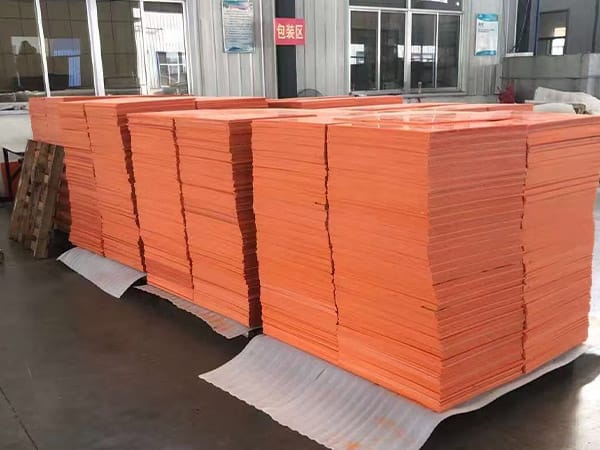
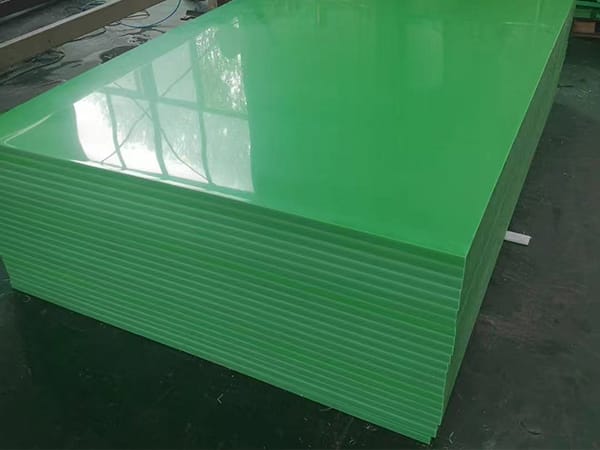
HDPE plastic sheets are a practical choice for buyers who need a moisture-resistant, chemical-resistant, easy-to-machine plastic panel for fabrication or general industrial use. The right sheet depends on the environment, not only on thickness.
A clear HDPE sheet inquiry should identify whether the sheet will become a liner, tank panel, cutting surface, outdoor board, machined part, or simple cut-to-size panel. Those uses lead to different questions about finish, stiffness, fastening, and inspection.

How to specify HDPE Plastic Sheets
The material background can be reviewed through HDPE material background, but the purchase specification should be based on the actual drawing, operating condition, inspection need, and installation method.
When HDPE sheet is a good material choice
HDPE plastic sheets are commonly considered for fabrication panels, liners, cutting board blanks, outdoor components, trays, and parts that may contact water or many industrial chemicals. The material is often selected when the buyer needs a tough polyethylene sheet that can be cut and processed without complex tooling.
For sliding wear parts, UHMWPE may be the stronger candidate. For welded chemical fabrication, PP sheet may sometimes be preferred depending on the chemical, temperature, and tank design. The decision should follow the service condition.
Surface, size, and color decisions
A smooth HDPE sheet is usually easier to clean and fabricate. A textured HDPE sheet can provide grip or a different contact surface, but it should be specified intentionally because the texture affects cleaning, wear, and appearance.
Color can support identification, installation zoning, or visual contrast. For outdoor use, the buyer should clearly state UV exposure and service duration so the supplier can discuss whether the published product option is suitable.
Practical checks before buying HDPE sheets
Check whether the sheet will be mechanically fastened, welded, bent, routed, or simply used as a protective panel. Each process changes the requested sheet thickness and dimensional tolerance.
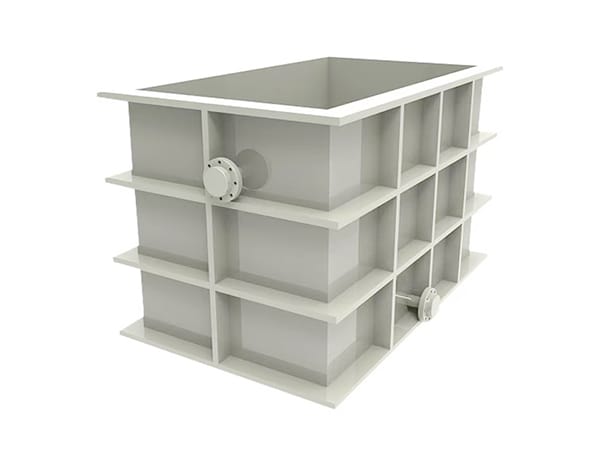
If the sheet is part of a tank or containment system, send the chemical name, concentration, temperature, support spacing, and fitting layout. A material name alone cannot confirm a safe design.
Application and RFQ checklist
| Fabrication panel | Confirm cutting size, thickness, flatness need, and fastening method. |
| Chemical liner | Confirm chemical exposure, temperature, cleaning method, and support. |
| Outdoor component | Confirm weather exposure, color, expected service duty, and attachment. |
| Food or chopping use | Confirm surface finish, cleaning routine, and intended contact requirements. |
Related product paths
Buyers comparing this product can also review textured HDPE sheet, HDPE ground mats, HDPE chopping board. These internal links separate material sheet, machined component, support-pad, and access-mat intent so the product pages do not compete for the same query.
Before requesting a quotation
Send the product name, drawing or target size, thickness, quantity, working environment, surface or machining requirement, tolerance expectation, and packing notes. If the product replaces a failed part, photos of the damaged or worn area can help identify the actual selection problem.
Conclusion
HDPE Plastic Sheets should be selected around a specific use case, not a generic plastic category. A concise RFQ with application details helps SDYZ Plastic review the suitable material form, processing scope, and repeat-order requirements.
FAQ
What are HDPE plastic sheets used for?
They are used for fabricated panels, liners, cutting board blanks, outdoor plastic parts, trays, and custom machined components.
How is HDPE sheet different from textured HDPE sheet?
A standard HDPE sheet usually has a smoother surface, while textured HDPE sheet is chosen when grip or a specific contact surface is needed.
Can HDPE plastic sheets be cut to custom sizes?
Yes. Custom sizes can be discussed when the buyer provides dimensions, thickness, color, quantity, and any machining details.
What should buyers confirm for chemical applications?
Confirm the chemical, concentration, temperature, contact time, cleaning process, and whether the sheet will be welded or mechanically fixed.
Is HDPE always better than PP sheet?
No. HDPE and PP solve different fabrication problems. PP may fit some chemical or welded structures better, while HDPE is often selected for tough general-purpose panels.