
Table of Contents
Introduction
A UHMWPE trough liner is installed inside chutes, hoppers, U-troughs, and conveying equipment to reduce wall wear and improve material flow. When bulk solids slide across steel or painted surfaces, sticking, abrasion, and noise can increase maintenance work. A well-selected UHMWPE trough liner can make the wear surface predictable and replaceable.
This guide is written for bulk material handling teams, conveyor equipment builders, and maintenance buyers evaluating UHMWPE U-trough liners. It focuses on practical selection details rather than generic material claims.

What This Material or Part Does
A UHMWPE trough liner is a formed or machined wear panel made from ultra-high molecular weight polyethylene. It lines the inside of a trough or chute where material slides, drops, or accumulates. Its low friction and wear resistance make it useful for many dry bulk handling applications.
UHMWPE is widely recognized for abrasion resistance and low friction. A general material reference is available at ultra-high-molecular-weight polyethylene. For liner projects, the key is matching that material behavior to the actual conveyed material.
Where It Works Best
A UHMWPE trough liner is used in grain handling, mining support equipment, recycling lines, packaging material transfer, food ingredient handling, and general industrial conveyors. It is especially useful where material hang-up or metal wear causes downtime.
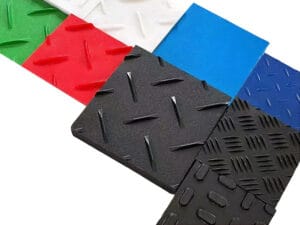
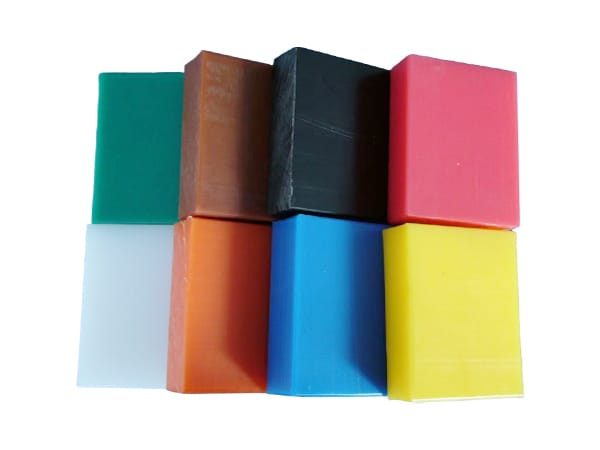
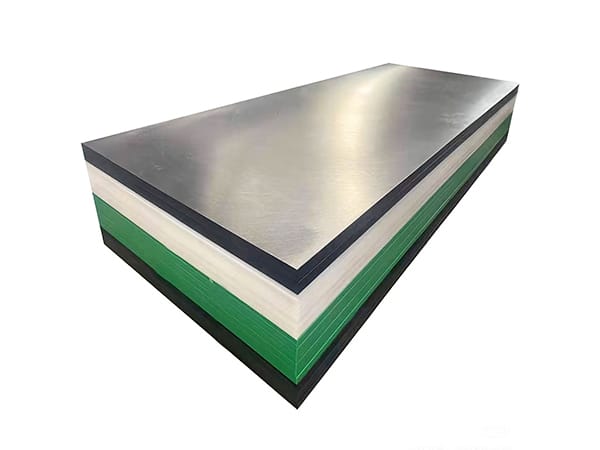
For flat liner panels or custom fabricated sections, buyers may also review UHMWPE plastic sheets. Sheet thickness, bending method, and mounting style should match the trough shape.
Key Selection Factors
Material being handled
The conveyed material controls much of the liner decision. Fine powders, pellets, damp material, sharp particles, and heavy lumps all create different wear and flow conditions for a UHMWPE trough liner.
Thickness and shape
A flat liner may work in a simple chute, while a U-shaped liner may need bending or machining. UHMWPE trough liner thickness should account for wear allowance, fixing method, and available clearance.
Fastening and replacement
Fasteners should not create hang-up points. A UHMWPE trough liner should be installed in sections that can be replaced without dismantling the whole conveyor where possible.
Technical Comparison Table
| Selection point | What to check | Practical impact |
|---|---|---|
| Material grade | Virgin or specified UHMWPE grade | Provides low friction and wear resistance |
| Dimensions | Thickness, developed width, length, and radius | Ensures the UHMWPE trough liner fits the equipment |
| Operating environment | Material abrasiveness, moisture, temperature, and cleaning | Helps predict wear and flow behavior |
| Processing method | Bending, machining, countersinking, and drilling | Controls installation quality and replacement ease |
Installation and Maintenance Notes
Inspect liners at feed points, impact zones, bends, and discharge areas. These locations usually wear faster than straight low-load sections.
For moving conveyor equipment, maintenance should be coordinated with lockout and guarding procedures. OSHA?? machine guarding standard is a useful general safety reference: OSHA 1910.212.
Common Buying Mistakes
- Choosing liner thickness without checking available clearance.
- Using raised fasteners that catch material.
- Ignoring moisture or temperature changes in the handled material.
- Installing one long liner that is difficult to replace.
What to Send Before Quotation
To quote a UHMWPE trough liner accurately, the supplier needs the trough dimensions and the material handling condition.
- Trough width, radius, length, and drawing if available.
- Liner thickness, color, and quantity.
- Material handled, particle size, moisture, and temperature.
- Mounting method, holes, slots, and countersinks.
- Replacement schedule or expected wear problem.
FAQ
Does a UHMWPE trough liner improve material flow?
A UHMWPE trough liner can help reduce friction and sticking in many applications, but performance depends on material type, moisture, trough angle, and surface condition.
Can UHMWPE liners be made in U shapes?
Yes. Depending on size and radius, a UHMWPE trough liner can be bent, formed, or machined to fit U-trough equipment.
How thick should the liner be?
Thickness depends on wear rate, clearance, impact, and replacement interval. A drawing and material description help determine a suitable starting point.
Conclusion
A UHMWPE trough liner is most effective when it is designed around the material flow problem. Match thickness, shape, fastening, and replacement access to the real operating conditions.
Wear Mapping Notes
Before replacing liners, map the existing wear pattern. Mark feed points, bends, bolt locations, and areas where material slows down or builds up. This information helps separate normal abrasion from problems caused by poor alignment, blocked discharge, or impact concentrated in one small zone.
A simple replacement log is useful for plants with several conveyors. Record installation date, section length, material handled, and inspection findings. Over time, the log can show which sections need thicker material, shorter replacement intervals, or a different fastening pattern.
Photographs taken during shutdowns can make future liner reviews faster and more objective.
Keep spare fasteners matched to each liner section for planned shutdowns.