
Table of Contents
Introduction
A UHMWPE cushion block is used when machinery needs a tough plastic contact part that can absorb impact, reduce wear, and protect metal surfaces. It may look simple, but the block shape, thickness, holes, support area, and working temperature all affect performance.
This guide explains how to specify a UHMWPE plastic cushion block for machinery, transport equipment, and industrial protection systems. It is intended for buyers who need a custom block rather than a generic plastic offcut.
What This Material or Part Does
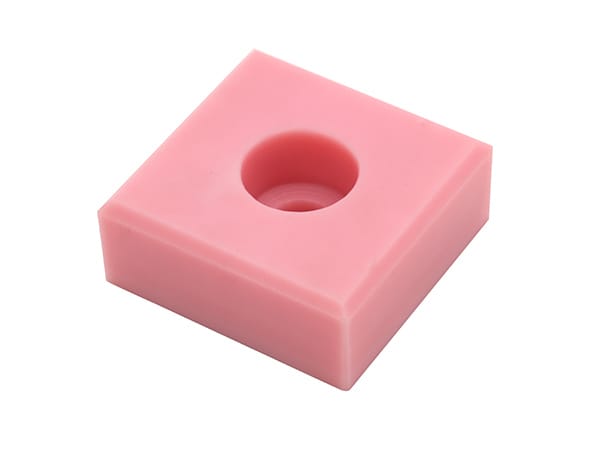
A UHMWPE cushion block is a machined or fabricated block made from ultra-high molecular weight polyethylene. It is commonly used as a stop, pad, spacer, wear block, guide block, or impact surface. The material combines toughness with low friction, making it useful where repeated contact occurs.
UHMWPE is known for impact strength and abrasion resistance. General background is available from ultra-high-molecular-weight polyethylene, but final block design should always reflect the equipment load and contact pattern.
Where It Works Best
A UHMWPE cushion block works well in cranes, conveyors, lifting equipment, transport fixtures, machinery stops, and protective contact points. It is often selected to reduce metal-to-metal contact or to create a replaceable wear interface.
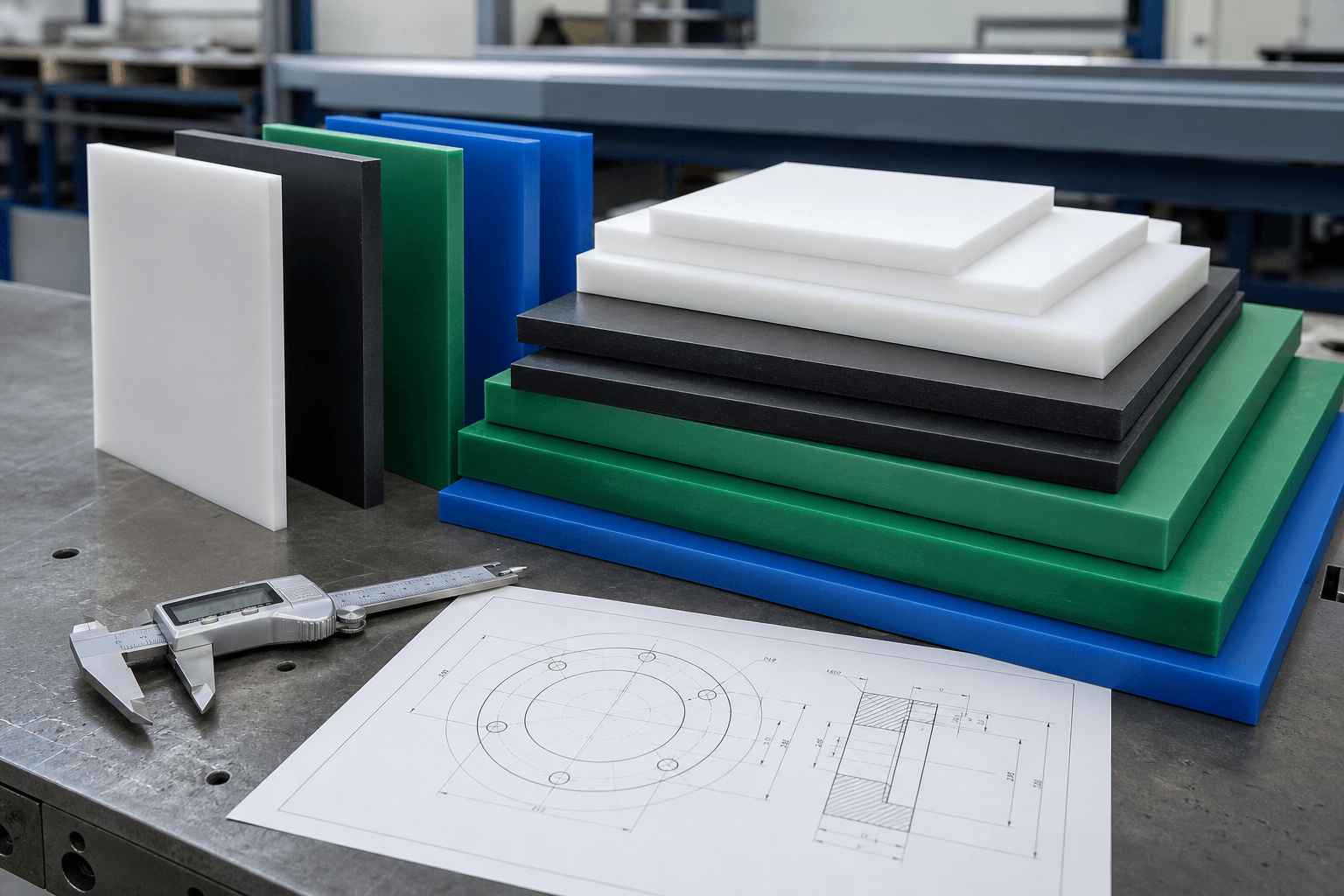
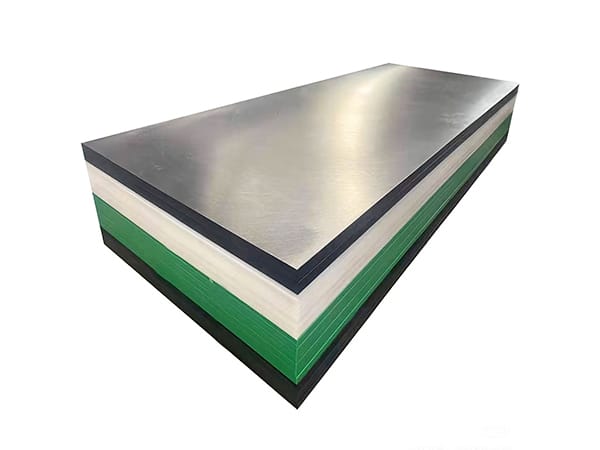
For projects that also need sheet liners or panels, UHMWPE plastic sheets can be sourced together with block parts to keep material performance consistent.
Key Selection Factors
Impact direction
The direction and frequency of impact should guide the block size. A UHMWPE cushion block used as a stop needs enough surface area and backing support to avoid crushing or bolt failure.
Mounting holes
Holes, slots, and countersinks should be positioned away from high-stress edges. Fasteners should hold the UHMWPE cushion block securely without creating hard contact points in the wear surface.
Replacement access
Because the block is often a wear part, it should be replaceable. Design the UHMWPE cushion block so maintenance teams can remove it without dismantling the whole assembly.
Technical Comparison Table
| Selection point | What to check | Practical impact |
|---|---|---|
| Material grade | UHMWPE grade selected for wear and impact | Improves toughness and sliding performance |
| Dimensions | Length, width, thickness, holes, and edge radius | Controls fit, support, and stress distribution |
| Operating environment | Impact, sliding, temperature, moisture, and chemical exposure | Prevents selecting an unsuitable block design |
| Processing method | CNC cutting, drilling, routing, and chamfering | Defines the finished UHMWPE cushion block geometry |
Installation and Maintenance Notes
Inspect the block for deep grooves, cracking around bolts, permanent deformation, and loose mounting hardware. Replace the UHMWPE cushion block before fasteners or metal supports become exposed.
If the block wears unevenly, check alignment and the mating surface. Uneven wear often indicates a machine adjustment problem rather than only a material issue.
Common Buying Mistakes
- Using a block too small for the impact area.
- Placing bolt holes too close to loaded edges.
- Ignoring replacement access in the assembly.
- Assuming every plastic block has the same wear behavior.
What to Send Before Quotation
For a custom UHMWPE cushion block, send a drawing and describe the contact condition. Photos of the installed area are also useful.
- Block dimensions, hole pattern, and quantity.
- Contact direction, load, and impact frequency.
- Mounting hardware and backing support details.
- Temperature, moisture, chemical, or outdoor exposure.
- Color, tolerance, edge radius, and packing requirements.
FAQ
What is a UHMWPE cushion block used for?
A UHMWPE cushion block is used as a protective wear or impact part in machinery, transport fixtures, guides, stops, and support points.
Can cushion blocks be custom machined?
Yes. A UHMWPE cushion block can usually be cut, drilled, countersunk, chamfered, and shaped to match drawings.
When should the block be replaced?
Replace it when wear exposes fasteners, changes alignment, creates cracks, or reduces the designed contact area.
Conclusion
A UHMWPE cushion block performs best when it is designed as a replaceable engineered wear part. Match the block shape, mounting, and material to the real impact and sliding condition.
Design Review Notes
Before approving production, review the contact surface, backing support, and replacement method together. A block that is easy to machine may still be difficult to use if the bolt access is blocked by nearby equipment. Simple chamfers, larger bearing areas, and clear mounting points often make the finished component more reliable.
It is also helpful to compare the new part with the worn part it replaces. The wear pattern can show whether the old design was too small, poorly aligned, or overloaded. That review often improves the next production drawing without adding unnecessary complexity.
For stocked replacement parts, label each block by equipment location and drawing revision. This prevents similar parts from being installed in the wrong position during urgent maintenance work.
Keep inspection notes updated.