
In today’s rapidly evolving industrial landscape, materials science plays a crucial role in driving innovation and efficiency. Engineering plastics have emerged as a versatile and cost-effective alternative to traditional materials like metal, wood, and glass. This article explores the key advantages of using engineering plastics in various industrial applications.
Lightweight Design for Improved Efficiency
One of the most significant benefits of engineering plastics is their lightweight nature. Compared to metals, plastics can reduce component weight by up to 70% while maintaining similar strength properties. This weight reduction translates to:
- Lower energy consumption in transportation applications
- Reduced wear and tear on machinery
- Easier handling and installation processes
“The use of UHMWPE sheets in our conveyor systems has reduced energy costs by 15% while improving operational efficiency,” said a maintenance manager at a mining company. “The lighter components put less strain on our motors and require less frequent maintenance.”
Case Study: Automotive Industry
In the automotive industry, lightweight engineering plastics have become essential for meeting fuel efficiency standards. A typical modern car contains over 300 kg of plastic components, including:
- Bumpers made from polypropylene (PP)
- Interior trim from ABS (Acrylonitrile Butadiene Styrene)
- Underbody shields from HDPE (High-Density Polyethylene)
These plastic components reduce vehicle weight by approximately 10%, which can improve fuel efficiency by 6-8% according to industry studies.
Exceptional Durability and Longevity
Engineering plastics are engineered to withstand harsh operating conditions, including:
- Extreme temperatures (-40°C to 120°C)
- Chemical corrosion resistance
- Abrasion and wear resistance
- Impact strength
Products like UHMWPE (Ultra High Molecular Weight Polyethylene) can last up to 5 times longer than traditional materials in high-wear applications. This longevity reduces maintenance costs and downtime for industrial operations.
Material Comparison
| Material | Abrasion Resistance | Chemical Resistance | Temperature Range |
|---|---|---|---|
| UHMWPE | Excellent | Excellent | -200°C to 80°C |
| HDPE | Good | Excellent | -40°C to 80°C |
| Nylon (PA6) | Good | Moderate | -40°C to 100°C |
| Stainless Steel | Moderate | Good | -200°C to 500°C |
Customization and Design Flexibility
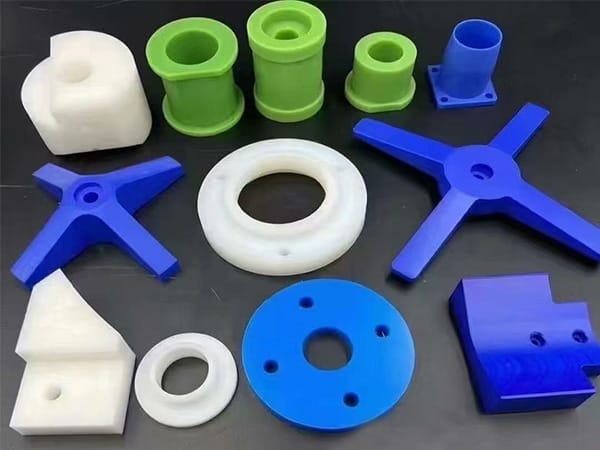
Modern manufacturing processes allow for complex shapes and designs that were previously impossible with traditional materials. Engineering plastics offer:
- Unlimited design possibilities through injection molding and CNC machining
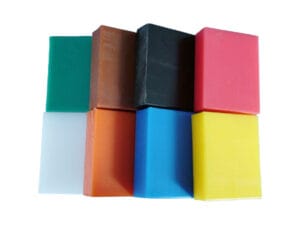
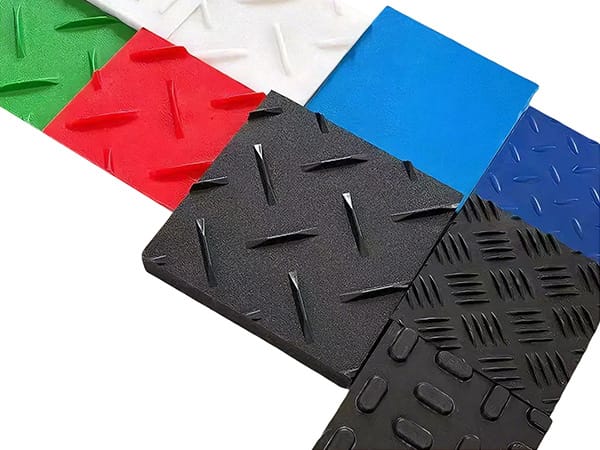
- Custom color options for branding and safety requirements
- Tailored material properties for specific applications
This design flexibility enables engineers to create optimized solutions that improve performance while reducing costs.
Advanced Manufacturing Techniques
- Injection Molding: Allows for high-volume production of complex shapes with tight tolerances
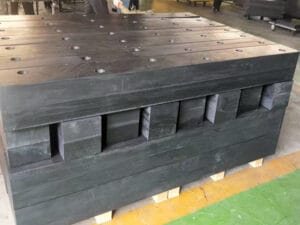
- CNC Machining: Enables precision manufacturing of custom components
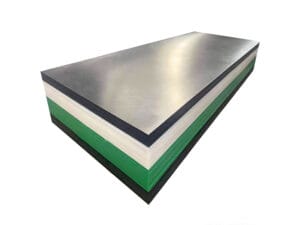
- Extrusion: Produces continuous profiles like sheets, rods, and tubes
- Thermoforming: Creates large, lightweight parts for packaging and automotive applications
Cost-Effective Solutions
While initial material costs may be higher than some traditional materials, the total cost of ownership for engineering plastics is often lower due to:
- Longer service life
- Reduced maintenance requirements
- Lower transportation costs
- Energy savings from lightweight components
A recent study found that using engineering plastics in industrial applications can reduce overall lifecycle costs by 20-30% compared to metal alternatives.
Sustainability Benefits
As industries focus on sustainability goals, engineering plastics offer several environmental benefits:
- Recyclability of many plastic materials
- Reduced carbon footprint from lighter products
- Longer product lifecycles reducing waste
- Energy-efficient manufacturing processes
“Our switch to HDPE sheets for packaging has reduced our carbon emissions by 25% while maintaining product protection standards,” shared a supply chain director at a consumer goods company. “We’ve also been able to recycle over 90% of our packaging materials.”
Circular Economy Approach
Many companies are adopting circular economy principles with engineering plastics:
- Product Design for Recyclability
- Take-Back Programs
- Chemical Recycling Technologies
- Upcycling Initiatives
Industry Applications
Mining Industry
- UHMWPE liners for hoppers and chutes reduce material buildup
- HDPE pipes for slurry transportation resist corrosion
- Nylon gears for mining equipment reduce noise and vibration
Food Processing Industry
- FDA-approved plastics for food contact applications
- PTFE coatings for non-stick surfaces
- PP conveyor belts for food handling
Medical Industry
- Biocompatible plastics for surgical instruments
- PVC tubing for fluid management
- ABS housings for medical devices
Future Trends
Smart Materials
The development of smart plastics is opening new possibilities:
- Self-healing polymers that repair minor damage automatically
- Shape-memory polymers that change shape with temperature changes
- Conductive plastics for electronic applications
3D Printing
Additive manufacturing is revolutionizing plastic component production:
- Rapid prototyping capabilities
- Customized medical implants
- Complex geometries with integrated functionality
Conclusion
Engineering plastics have revolutionized industrial design and manufacturing by offering a unique combination of strength, durability, flexibility, and cost-effectiveness. As technology continues to advance, we can expect even more innovative applications of these versatile materials across various industries.
For more information on how engineering plastics can benefit your operations, contact Shandong Yunzhan Plastic Industry Co., Ltd. today.