

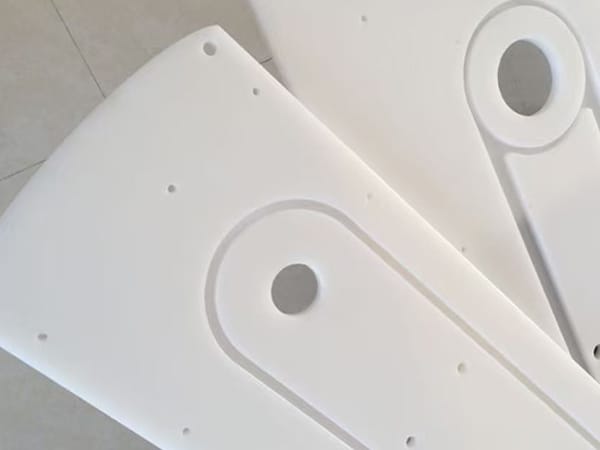
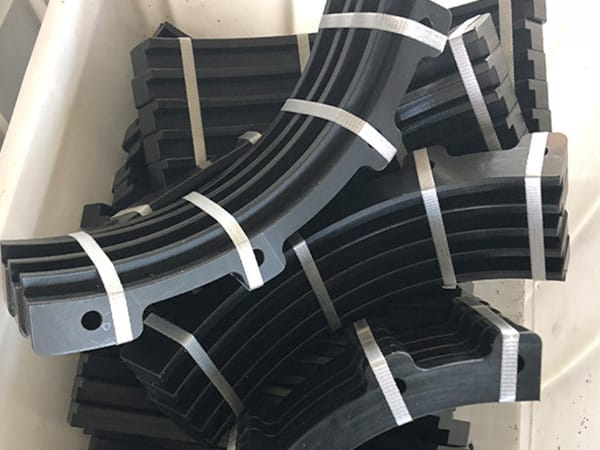
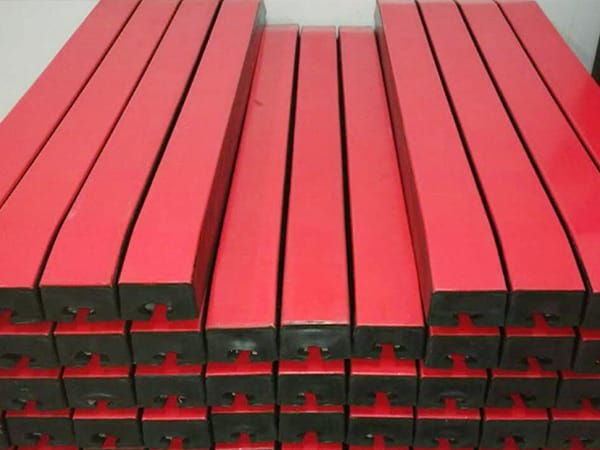
Description
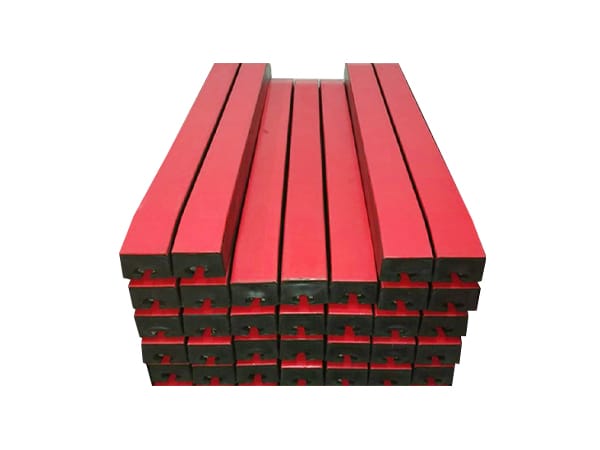
Full-Size Bumper Strip should be specified around a clear buying intent: protective strip and edging inquiry. A full-size bumper strip is specified for protective contact zones where strip length, profile, fixing method, impact direction, and visible finish determine the right part.
The fastest way to get a useful quotation is to send the drawing, target dimensions, quantity, working condition, installation method, and any inspection or packing requirement at the start of the inquiry.

Define the contact edge first
Buyers should explain what the strip protects: wall, dock, vehicle, equipment, platform, or other contact edge. The shape should match the object being protected.
Profile and fastening control fit
Length, width, thickness, hole spacing, adhesive or mechanical fixing, corner treatment, and end finishing should be confirmed before production.
Do not merge it with tank or sheet pages
A bumper strip is a shaped protective component. It should not compete with flat sheets, water tanks, or general engineering plastic components.
Specification checklist
| Protected surface | Wall, dock, vehicle, equipment or platform. |
| Strip profile | Length, width, thickness and edge shape. |
| Installation | Hole spacing, fasteners, adhesive and end finish. |
Acceptance and purchasing checks
For bumper strips, the shape should follow the contact path. A strip used on a straight wall, exposed dock edge, machine guard, or vehicle contact point may need different profile, fastening, and end finishing.
The buyer should confirm whether the strip is meant to absorb contact, prevent scratching, guide movement, or cover a hard edge. Those functions lead to different material and profile decisions.
For this Full-Size Bumper Strip page, the inquiry should stay tied to protective strip and edging inquiry. The buyer should organize the request around these product-specific points: Protected surface: Wall, dock, vehicle, equipment or platform.; Strip profile: Length, width, thickness and edge shape.; Installation: Hole spacing, fasteners, adhesive and end finish.. That information lets the supplier separate this page from nearby product categories and review the correct production route, inspection scope, labeling needs, and packing method before quotation.
When the final order is prepared, reference Full-Size Bumper Strip by product name, drawing revision, quantity, and the agreed material description so purchasing, production, and inspection teams work from the same record.
This also gives future buyers a clearer search result for full-size bumper strip instead of another broad, interchangeable plastic product page.
Related product choices
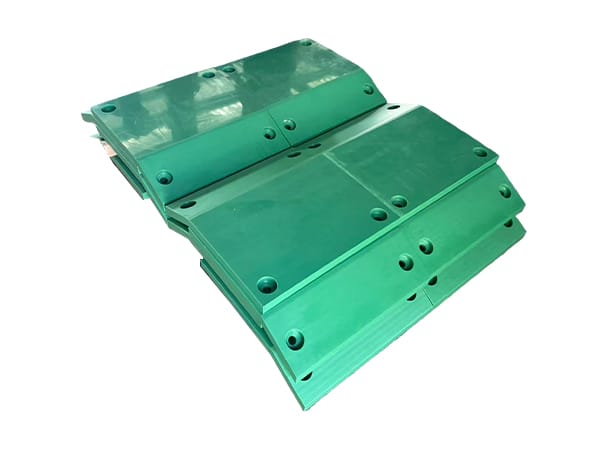
Related pages for clearer product selection include UHMWPE marine dock bumper panel, engineering plastic components, CNC milling plastic parts. Reviewing the closest product path helps prevent one broad plastic-material page from competing with a more specific application page.
Conclusion
Full-Size Bumper Strip is best handled as a specific industrial purchasing request. Clear drawings, application details, and acceptance requirements help SDYZ Plastic review the correct material form and production scope.
FAQ
What is a full-size bumper strip used for?
It protects edges or contact zones from repeated impact or rubbing.
Can the profile be customized?
Profile details can be reviewed from drawings or samples.
What should an inquiry include?
Send length, profile, material preference, fixing method and quantity.