
Table of Contents
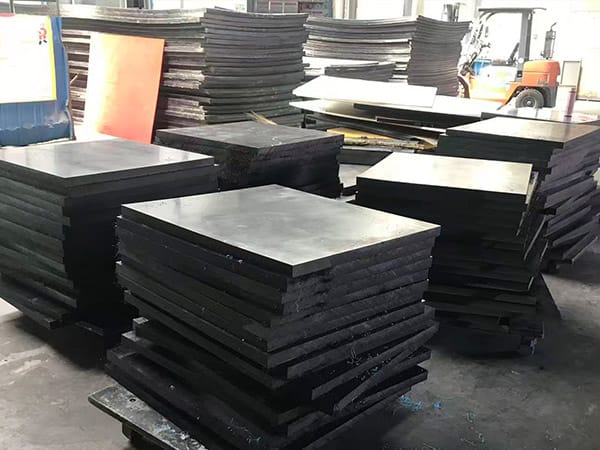
Industrial plastic sheets are widely used for liners, wear plates, machine components, chemical tanks, outdoor panels, support pads, and custom-fabricated parts. However, UHMWPE, HDPE, polypropylene and nylon offer different levels of wear resistance, impact strength, chemical stability, dimensional accuracy and machinability.
Choosing the right material requires more than comparing sheet prices or thicknesses. Buyers should consider the operating load, movement, chemical exposure, temperature, installation method and expected service life.
This guide compares the main types of industrial plastic sheet, explains where each material performs best and outlines the information manufacturers need to prepare an accurate quotation.
Why Industrial Plastic Sheet Matters
Industrial plastic sheet matters because industrial buyers need more than a generic plastic sheet. They need a material that can handle material choice, thickness, durability, tolerance, and total project cost. A clear specification helps the supplier recommend the right sheet, machining method, packaging, and lead time.
When buyers compare industrial plastic sheet, they often look at engineering plastic components, related sheet materials, and custom fabrication options. The final choice should reflect how the part will be installed, loaded, cleaned, moved, and inspected.
Define the Application First
Before asking for industrial plastic sheet, describe the real working condition. Include load, contact surface, chemical exposure, temperature, outdoor use, drawing tolerances, color, surface finish, and whether the sheet will be cut or CNC machined.
A complete request reduces quote revisions. It also helps avoid over-specifying an expensive material or under-specifying a sheet that will wear, crack, bend, or become difficult to install.
Material Properties to Review
Load and impact
If the sheet will support equipment, absorb impact, or sit on uneven ground, review thickness, footprint, edge design, and expected pressure. For lifting or heavy support, never select sheet size by appearance alone.
Wear and friction
If industrial plastic sheet will be used in sliding, lining, fender, guide, or wear-part service, compare abrasion behavior and friction. UHMWPE is often considered for low-friction movement, while nylon can suit machined mechanical parts.
Chemical and outdoor exposure
If the material will contact chemicals, moisture, sunlight, or cleaning agents, confirm the exposure conditions. HDPE and PP can be useful choices, but temperature, concentration, and service time still matter.
Comparison Table for Buyers
| Option | Useful For | Buyer Check | When to Avoid |
|---|---|---|---|
| UHMWPE | Low friction, wear, and impact | Thickness, hole layout, color, and surface | High-temperature or strong oxidizing environments |
| HDPE | Outdoor sheets, mats, panels, and covers | UV needs, load, surface texture, and size | Applications needing very low friction |
| PP | Chemical tanks, covers, and fabrication | Chemical concentration, welding, and temperature | Heavy impact support without review |
| Nylon | Gears, rollers, bearings, and wear parts | Moisture exposure and tolerance | Wet designs where swelling is critical |
Thickness and Size Selection
Thickness selection for industrial plastic sheet should follow the duty of the part. A liner, cover, ground mat, fender panel, and machined gear blank all need different thickness logic. If the part spans a gap or carries point load, provide load data.
Size selection affects both performance and cost. Standard sheet sizes may shorten lead time, while custom cutting can reduce waste and simplify installation. Drawings are useful when holes, grooves, countersinks, or chamfers are required.
Supplier and Manufacturing Checks
When comparing suppliers for industrial plastic sheet, review material guidance, machining capability, tolerance control, export packaging, communication, and whether the quotation includes finishing work. A low raw-sheet price is not the same as a finished part price.
Ask whether the supplier can support repeat orders with consistent dimensions and practical documentation. For custom plastic parts, drawing review before production is often more important than fast pricing.
Outbound Technical Reference
For general material context, buyers can review authoritative material background. Use external references only as background; final material selection should still be based on your load, environment, tolerance, and project documentation.
Common Mistakes
The first mistake is ordering industrial plastic sheet by name only. A material name does not define thickness, grade, surface, tolerance, or application risk. The second mistake is comparing supplier quotes when machining, packaging, and delivery scope are different.
The third mistake is not sharing enough application detail. If the product is used for support, wear, chemical service, marine work, or outdoor installation, the supplier needs those conditions to recommend a practical option.
Procurement Checklist
For a useful industrial plastic sheet quotation, prepare material preference, dimensions, thickness, quantity, color, surface finish, application, drawings, delivery destination, and any machining requirements. If the material is uncertain, describe the failure problem or working duty.
A structured request helps Yunzhan Plastic review industrial plastic sheet alongside related materials and custom fabrication options. It also improves communication around lead time, packaging, and order confirmation.
FAQs About Industrial Plastic Sheet
What is it used for?
Industrial plastic sheet is used for industrial sheet, support, lining, fabrication, machined parts, covers, and application-specific plastic components where durability and practical manufacturing matter.
How do I choose thickness?
Choose thickness by reviewing load, span, impact, fastening, pressure, machining, and installation method. For demanding projects, share drawings and operating conditions before ordering.
Can it be custom machined?
Yes. The material can often be cut, drilled, routed, chamfered, engraved, welded, or CNC machined depending on the selected grade and drawing requirements.
What should I send for a quote?
Send size, thickness, quantity, color, application, drawings, surface finish, destination, and any machining requirements. Photos or failed-part samples can also help with material review.
How should I compare suppliers?
Compare suppliers by material selection support, machining capability, tolerance control, packaging, lead time, and communication quality, not only by unit price.
Request a Quote From Yunzhan Plastic
Yunzhan Plastic can help evaluate industrial plastic sheets for industrial plastic material selection. Share your drawings, dimensions, quantity, application, and working environment to discuss material selection, cutting, machining, packaging, and a project quotation.
View related products or contact Yunzhan Plastic to start a technical discussion.