

Table of Contents
Introduction
An HDPE plastic grate is used when a project needs a corrosion-resistant cover, drainage surface, or lightweight platform component. Compared with metal grating, it can be easier to handle and more resistant to moisture in many environments, but it must still be selected for load, opening size, support span, and safety needs.
This guide explains how buyers can specify an HDPE plastic grate for practical industrial use. The goal is to make the inquiry clear enough for accurate production and safer installation.
What This Material or Part Does
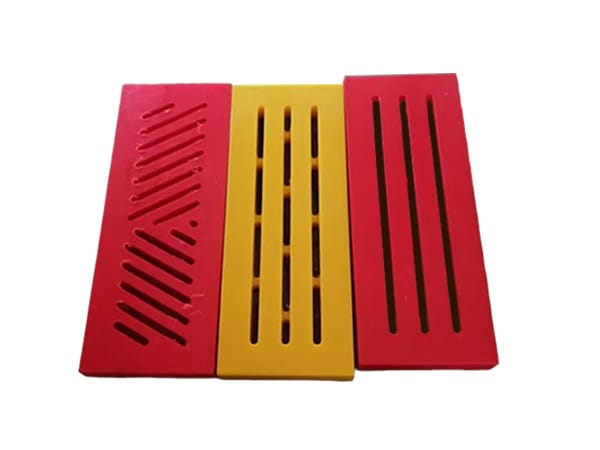
An HDPE plastic grate is a fabricated or molded plastic cover with openings that allow drainage, ventilation, or visibility while supporting foot traffic, equipment access, or protective covering duties. The exact design can vary from simple covers to more structured grating panels.
HDPE offers moisture resistance and good toughness. It is frequently used in sheet and fabricated parts, including HDPE plastic sheets. When made into a grate, the material choice must be combined with the correct rib design and support structure.
Where It Works Best
An HDPE plastic grate works in drainage channels, machine covers, washdown areas, light platforms, tanks, pits, and corrosion-prone spaces where metal may rust or require frequent coating maintenance.
It is also relevant in chemical and environmental applications where plastic components are preferred for corrosion resistance. For broader application context, see the site?? chemical and environmental application page.
Key Selection Factors
Load and span
Load capacity depends on thickness, rib geometry, opening size, support span, and installation method. An HDPE plastic grate should never be chosen by outside dimensions alone.
Opening size
Openings must allow drainage or ventilation while preventing unsafe gaps. If foot traffic is expected, check local safety requirements and ensure the opening pattern is appropriate.
Surface and edge finish
Edges should be finished to reduce snagging and stress concentration. For walking areas, the HDPE plastic grate surface texture and drainage behavior should be reviewed together.

Technical Comparison Table
| Selection point | What to check | Practical impact |
|---|---|---|
| Material grade | HDPE grade suitable for the environment | Improves moisture and corrosion resistance |
| Dimensions | Length, width, thickness, rib height, and opening size | Controls load, fit, and drainage behavior |
| Operating environment | Water, chemicals, sunlight, and cleaning exposure | Helps avoid early wear or deformation |
| Processing method | Machining, routing, drilling, welding, or assembly | Defines the finished HDPE plastic grate design |
Installation and Maintenance Notes
Inspect grates for cracked ribs, edge damage, deformation, and loose supports. If the HDPE plastic grate covers a pit or drain, do not use it after structural damage is found.
For walking or working surfaces, review applicable workplace safety guidance. OSHA?? walking-working surfaces page is a useful starting point for U.S. safety context: OSHA walking-working surfaces.
Common Buying Mistakes
- Assuming plastic grates and steel grates have the same span capacity.
- Choosing opening size without considering foot traffic.
- Ignoring support ledges and frame flatness.
- Using a damaged HDPE plastic grate after impact.
What to Send Before Quotation
A good quotation request should include both the grate panel and the support condition. A drawing or photo of the installation area is very helpful.
- Panel length, width, thickness, and quantity.
- Opening size, rib direction, and edge details.
- Expected load, traffic type, and support span.
- Chemical, water, outdoor, or washdown exposure.
- Mounting holes, handles, labels, or custom color.
FAQ
Can HDPE plastic grate replace metal grating?
An HDPE plastic grate can replace metal grating in some corrosion-resistant or light-to-moderate duty applications, but load and span must be checked carefully.
Is HDPE plastic grate suitable for outdoor use?
Outdoor use may be possible, but UV exposure, temperature, and load should be reviewed before selecting an HDPE plastic grate.
Can the grate be custom machined?
Yes. HDPE grates can often be machined or fabricated to custom sizes, openings, and mounting details.
Conclusion
An HDPE plastic grate should be specified around load, span, openings, support, and environment. When those details are clear, the finished HDPE plastic grate is easier to install and maintain.
Support Frame Notes
The support frame is just as important as the cover itself. A flat, continuous ledge gives the panel a better chance to carry load evenly, while a twisted or undersized frame can cause local bending. If the installation includes removable sections, add finger clearance, lifting holes, or handles only where they do not weaken the load path.
Drainage areas should also be checked after installation. Debris can build up under covers and change how water flows through openings. A simple inspection schedule helps keep the surface functional and reduces the chance of unexpected pooling, odor, or blocked channels.
Keep damaged covers out of service until the support condition and replacement need are reviewed.