
When an industrial component has to deal with constant sliding, abrasion, moisture, impact or chemical exposure, choosing the right plastic is an engineering decision, not simply a material purchase. This is where engineering plastics in New Zealand have become relevant across machinery, agriculture, marine equipment, manufacturing, construction and material handling.
New Zealand’s plastics industry serves a broad industrial base, including agriculture, construction, engineering and industrial component manufacturing. Many of the raw plastics used by the local industry are imported before being processed into finished products, so overseas manufacturers can form an important part of the supply chain.
For a buyer, the difficult part is usually not finding a plastic sheet. It is deciding whether UHMWPE, HDPE, nylon, PP or PVC is the better fit for the actual working conditions. Load, friction, wear, temperature, moisture, chemicals and machining requirements can all change the answer.
Table of Contents
What Makes Engineering Plastics Different?
The term engineering plastics covers polymers that are selected for a functional role in equipment rather than simply for their appearance or ease of forming. A sheet may become a conveyor guide, wear liner, bearing, bush, chute liner, machine component or protective panel. In these applications, the material has to keep doing its job after repeated contact and exposure to the surrounding environment.
That is why material selection should start with the application. A plastic that works well as a corrosion-resistant panel may not be suitable for a heavily loaded bearing. Likewise, a material with excellent sliding performance may not be the best option for a component that needs high dimensional stability in a wet environment.
This distinction matters when sourcing engineering plastics in New Zealand because industrial users are often buying components for equipment that already has defined loads, dimensions and operating conditions. The material needs to fit the machine, rather than the machine being redesigned around whichever plastic happens to be available.
New Zealand’s plastics industry serves agriculture, construction, engineering and industrial component manufacturing, among other sectors.
Where Are Engineering Plastics Used in New Zealand?
The range of applications is broader than many buyers initially expect. Plastics New Zealand identifies agriculture, horticulture, aquaculture, construction, engineering and industrial componentry among the sectors supported by the country’s plastics industry.
In machinery, engineering plastics are commonly used for wear strips, guide rails, rollers, bushes, pads, gears and other moving or supporting components. In bulk material handling, plastic liners can be used to reduce friction and protect steel structures from abrasive materials. In agricultural equipment, plastic parts can help manage moisture, dirt, fertilizer exposure and repeated mechanical contact.
Marine applications create another useful area for engineering plastics. Components around ports, docks and vessels may be exposed to water, salt and impact, making corrosion resistance an important consideration. UHMWPE is often considered for marine fender facing and other applications where low friction and impact resistance are useful.
Food and processing equipment can also use engineering plastic components, although direct food-contact applications require the appropriate material grade and compliance documentation. A general-purpose industrial sheet should not automatically be treated as a food-contact material.
UHMWPE for Wear and Sliding Applications
Among engineering plastics, UHMWPE has a particularly strong position in applications where abrasion and sliding are the main concerns. Its combination of wear resistance, impact performance and low friction makes it useful for liners and moving contact surfaces.
Typical applications include conveyor guide components, chute and hopper liners, wear strips, sliding pads, marine fender facing and other parts exposed to repeated contact.
The practical advantage is often seen in the way a machine behaves over time. A suitable UHMWPE component can provide a smooth sliding surface while protecting the more expensive structure behind it. It can also avoid some of the corrosion issues associated with exposed metal surfaces.
However, UHMWPE should not be selected simply because an application is described as “heavy duty.” The actual load, sliding speed, abrasive material, support conditions, temperature and fastening method all affect performance. Thickness is also part of the design rather than an isolated specification.
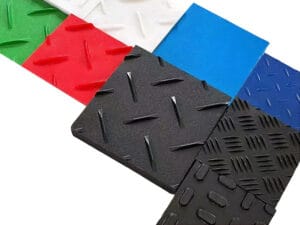
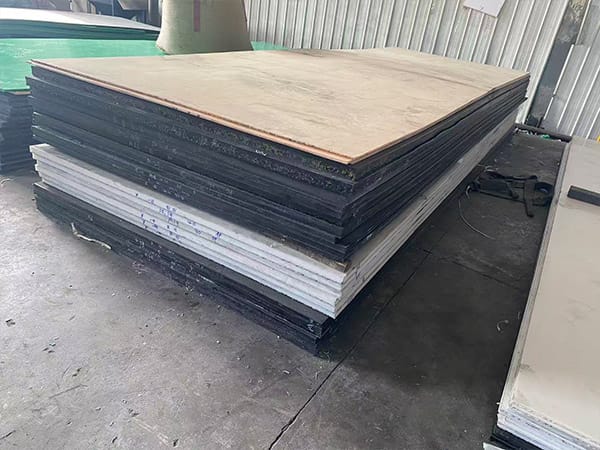
Yunzhan Plastic manufactures UHMWPE sheets in customized dimensions and also supplies machined engineering plastic components. Its current product information lists UHMWPE sheet thicknesses from 3 mm to 200 mm, with custom lengths and large-width options available.
When HDPE Is a Better Choice
HDPE is a versatile material for industrial fabrication. It offers good chemical resistance, moisture resistance and impact performance and is relatively straightforward to cut, machine and fabricate.
For engineering plastics in New Zealand, HDPE can be useful in applications involving wet environments, protective panels, fabricated components, tanks, liners and general industrial structures. It is also worth considering when the application does not require the specific wear characteristics of UHMWPE.
The difference between HDPE and UHMWPE is important. They are both polyethylene materials, but they should not be treated as interchangeable products for every application. If a component is expected to experience continuous abrasive sliding, UHMWPE may offer advantages that justify its selection. If chemical resistance, fabrication or general-purpose durability is the primary concern, HDPE may be a more practical choice.
Nylon for Mechanical Components
Nylon occupies a different position in engineering plastic selection. It is frequently used for mechanical components where strength, stiffness, wear performance and machinability are important.
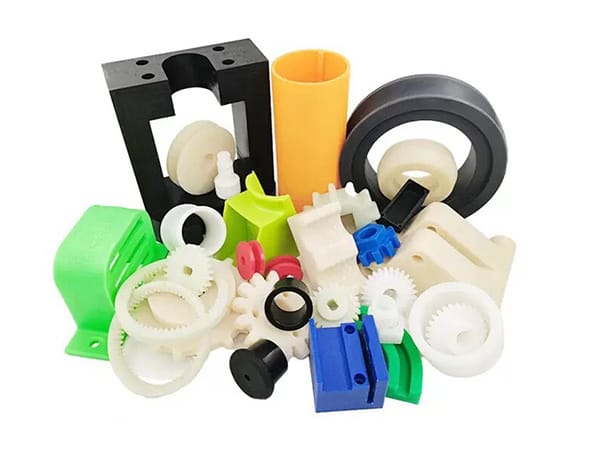
Bushes, rollers, gears, wear pads, spacers and other machined parts can be produced from nylon. It is particularly useful when the finished component has a defined mechanical function rather than simply acting as a protective liner.
One issue deserves attention in New Zealand applications: moisture. Nylon can absorb moisture, and this can affect dimensions and mechanical behaviour. For a precision component operating in a humid or wet environment, the expected moisture exposure should be considered during material selection and tolerance design.
PP and PVC for Chemical and Fabrication Requirements
Polypropylene is often considered when chemical resistance, low density and moisture resistance are important. It can be used for tanks, covers, fabricated equipment and industrial panels, subject to the chemicals and temperatures involved.
PVC can also be useful for fabricated panels, chemical-handling equipment and other applications where rigidity and chemical resistance are required. PVC is already an established material in New Zealand construction and agricultural applications, including piping and irrigation systems.
For both PP and PVC, chemical compatibility should be checked against the actual operating conditions. The name of a chemical alone is not enough to make a reliable material decision because concentration, temperature and exposure time can significantly change performance.
How Should a New Zealand Buyer Choose an Engineering Plastic?
The most reliable approach is to describe the working conditions before discussing the final material.
Start with the function of the part. Is it a liner, guide, bearing, wear strip, panel, structural component or machined replacement part? Then consider what the part will experience during normal operation.
Load and Movement
Determine whether the component carries a static load, repeated load, impact or sliding contact. A component under continuous load should be evaluated differently from a simple protective cover.
For sliding parts, consider the mating material, contact pressure and movement speed. For liners, look at the type and size of abrasive material and how frequently it passes over the surface.
Temperature
Temperature affects polymer behaviour. The normal operating temperature is useful, but the maximum and minimum temperatures during startup, shutdown and abnormal conditions may also matter.
If a plastic component is close to a heat source or operates outdoors, temperature should be included in the initial material discussion rather than checked after the material has already been selected.
Moisture and Chemicals
New Zealand equipment may operate outdoors, near the coast, in agriculture or in processing environments where moisture is unavoidable. Chemical exposure can also occur through fertilizers, cleaning agents, oils or process chemicals.
The material should be checked against the actual environment. General statements such as “chemical resistant” are useful for initial screening but are not a substitute for application-specific compatibility information.
Machining and Tolerances
If the requirement is a finished component rather than a flat sheet, provide the manufacturer with a drawing or CAD file whenever possible. Hole locations, tolerances, surface finish and final dimensions can affect the choice of material and machining process.
For repeat orders, consistency becomes just as important as the first prototype. A supplier should be able to maintain the specified material and dimensions from one production batch to the next.
Engineering Plastic Applications in New Zealand
The best way to understand engineering plastics is to consider the problems they solve.
Agriculture and Horticulture
Agriculture is an important industrial sector in New Zealand, and machinery operating in this environment can be exposed to moisture, dirt, fertilizers, impact and abrasive materials.
Engineering plastics can be used for wear strips, sliding components, guards, guides, liners, rollers and custom replacement parts.
Compared with metal components, plastic parts can also offer weight advantages in applications where reducing component mass is useful.
For agricultural machinery manufacturers, custom-machined engineering plastic components can be especially useful when an existing machine requires a replacement component that is difficult to source locally.
Food Processing
Food processing equipment requires materials that are easy to clean and appropriate for the intended operating environment.
Engineering plastics may be used for conveyor components, guides, wear strips, machine components and other parts in material handling systems.
However, buyers should distinguish between general industrial plastic and materials specifically suitable for food-contact applications. Where direct food contact is involved, the required regulatory and material documentation should be confirmed before production.
Ports and Marine Applications
New Zealand’s extensive coastline and port infrastructure create demanding conditions for industrial materials.
Marine equipment can be exposed to water, salt, impact and continuous mechanical movement.
UHMWPE is particularly useful for marine applications involving sliding and impact protection. Marine fender facing pads, for example, can use low-friction polymer surfaces to protect structures and reduce friction between contacting surfaces.
Engineering plastics also provide an important advantage where corrosion resistance is a major consideration.
Mining and Bulk Material Handling
Mining, quarrying and bulk material handling equipment can expose components to abrasive materials and repeated impact.
Traditional metal surfaces can suffer significant wear under these conditions.
UHMWPE wear liners and related components are frequently considered for chutes, hoppers, conveyor systems and material handling equipment because the material combines wear resistance with relatively low friction.
For equipment designers, the objective is not simply to select a material with a high wear-resistance specification. The actual material characteristics, bulk material properties, impact conditions, liner thickness and mounting method all influence service life.
Manufacturing and Machinery
Engineering plastics are also used extensively in machinery.
Bushes, bearings, guide rails, rollers, spacers, gears, wear pads and machine guards can all be manufactured from suitable polymer materials.
In some situations, replacing a metal component with a machined engineering plastic component can reduce weight, corrosion problems or sliding friction.
This makes engineering plastics useful for both original equipment manufacturers and maintenance departments.
New Zealand engineering plastic suppliers also commonly serve industrial machinery customers with replacement parts and custom-engineered components, demonstrating the importance of application-specific material selection in this market.
How to Choose the Right Engineering Plastic
Selecting an engineering plastic should begin with the application rather than the material name.
Consider the Mechanical Load
The first question should be how the component will be loaded.
Will the material experience compression, tension, bending, impact or continuous sliding?
A plastic component supporting a static load may require very different characteristics from a component operating continuously under dynamic loading.
Load direction and duration also matter. A material that performs well under short-term loading may behave differently under continuous stress.
Evaluate Wear and Friction
For sliding applications, wear resistance and friction are critical.
Conveyor guide rails, wear strips, bearings and liners may benefit from materials with low friction and strong abrasion resistance.
UHMWPE is often considered when low-friction sliding and abrasion resistance are important, while nylon may be more appropriate for certain mechanically loaded components.
The correct choice depends on the combination of load, speed, mating material and operating environment.
Check Temperature Conditions
Temperature can significantly affect polymer performance.
Before specifying an engineering plastic, buyers should identify the normal operating temperature as well as the minimum and maximum temperatures the component may experience.
Temperature should be considered together with load because mechanical properties can change as polymer materials are exposed to elevated or low temperatures.
Consider Chemical Exposure
Chemical compatibility should also be evaluated.
A component used in a chemical processing environment may be exposed to acids, alkalis, solvents, oils or cleaning agents.
HDPE, PP and other polymers can provide strong chemical resistance, but performance depends on the exact chemical, concentration, temperature and exposure conditions.
For critical applications, requesting material compatibility information from the manufacturer is preferable to relying on a general material description.
Why Custom Engineering Plastic Components Matter
Not every industrial application can be solved with a standard sheet.
Many equipment manufacturers and maintenance teams require components manufactured to specific drawings.
Custom engineering plastic processing can transform sheets, rods or blocks into finished parts such as:
- Wear plates
- Bushes
- Rollers
- Guide rails
- Sliding pads
- Liners
- Gears
- Machine guards
- Conveyor components
- Custom structural parts
This approach is particularly valuable when a component is part of an existing machine and the replacement needs to match an established geometry.
Yunzhan Plastic provides customized processing services alongside its engineering plastic sheet range, allowing industrial buyers to source both raw sheet materials and processed components according to project requirements.
Engineering Plastic Sheet vs Custom-Machined Parts
A buyer should determine whether the project requires raw sheet material or a finished component.
Engineering plastic sheet is appropriate when the customer has its own fabrication or machining capability.
For example, a manufacturer may purchase UHMWPE sheet and machine it into liners at its own facility.
Custom-machined components are more suitable when the buyer needs a finished part ready for installation.
The second option can reduce internal machining requirements and simplify procurement, especially when multiple components must be manufactured according to the same drawing.
For OEM customers, custom processing can also provide better consistency between replacement parts and original equipment.
What Should New Zealand Buyers Ask an Engineering Plastics Manufacturer?
Before placing an order, industrial buyers should provide as much application information as possible.
A useful engineering plastic inquiry should include:
Material: UHMWPE, HDPE, nylon, PP, PVC or another specified polymer.
Dimensions: Length, width, thickness, diameter or finished component dimensions.
Application: Explain where and how the material will be used.
Operating environment: Include moisture, chemicals, abrasion, impact, outdoor exposure and other relevant conditions.
Temperature: Provide normal and maximum operating temperatures where known.
Load: Specify static or dynamic loading and approximate load conditions.
Machining: Provide technical drawings, CAD files or dimensional specifications if a finished component is required.
Quantity: Indicate prototype, small-batch or ongoing production requirements.
This information allows the manufacturer to evaluate whether the proposed material and manufacturing method are appropriate.
Why Work With an Overseas Engineering Plastics Manufacturer?
New Zealand buyers may source engineering plastics internationally when they require specific material capabilities, large-format sheets, customized dimensions or specialized processing.
For international sourcing, however, material quality is only one consideration.
A reliable supplier should be able to provide clear product specifications, stable manufacturing, dimensional consistency, quality control and communication throughout the project.
Yunzhan Plastic is a manufacturer and supplier based in Shandong, China, specializing in UHMWPE, HDPE, nylon, PP, PVC and customized engineering plastic products. The company reports more than 25 years of experience, international exports and quality management certification including ISO 9001.
For buyers in New Zealand, the key advantage of working with a manufacturer is the ability to discuss material selection and processing requirements directly instead of purchasing a generic plastic product without application support.
Engineering Plastics for OEM and Industrial Projects
OEM manufacturers often have requirements that are different from those of standard distributors.
An OEM may need the same component produced repeatedly according to an engineering drawing, while an equipment maintenance company may need a replacement wear part manufactured for an older machine.
In both cases, consistency is important.
A suitable engineering plastics manufacturer should be able to work with technical drawings, dimensions, material specifications and production quantities.
For larger projects, buyers should also clarify tolerances, surface finish, material grade, packaging and inspection requirements before production begins.
These details help avoid problems caused by differences between a material specification and the final component requirements.
How Engineering Plastics Can Replace Metal Components
One reason engineering plastics are increasingly considered for industrial applications is their potential to replace selected metal components.
This does not mean plastic is universally better than steel or other metals.
Instead, polymer materials can be advantageous where the application prioritizes:
- Low weight
- Corrosion resistance
- Low friction
- Wear resistance
- Impact absorption
- Reduced noise
- Easier machining
- Reduced maintenance
For example, a metal wear plate exposed to moisture and abrasive materials may require regular maintenance because of corrosion and surface wear. A suitable UHMWPE liner may provide a different performance profile, particularly where sliding and abrasion are dominant concerns.
The engineering decision should always be based on the actual load, temperature, wear mechanism and service environment.
Engineering Plastics and Long-Term Maintenance
Material selection affects more than the initial component.
Maintenance teams should consider how frequently a component needs to be replaced, how difficult replacement is and whether worn components can damage surrounding equipment.
A wear liner that is easy to replace can help protect a more expensive machine structure.
Similarly, a low-friction guide component can reduce wear on a mating component and help maintain stable equipment operation.
This is why engineering plastics should be evaluated as part of the complete machine rather than as an isolated material purchase.
Why Choose Yunzhan Plastic for Engineering Plastics?
Yunzhan Plastic provides a broad range of engineering plastic materials and customized industrial products for international customers.
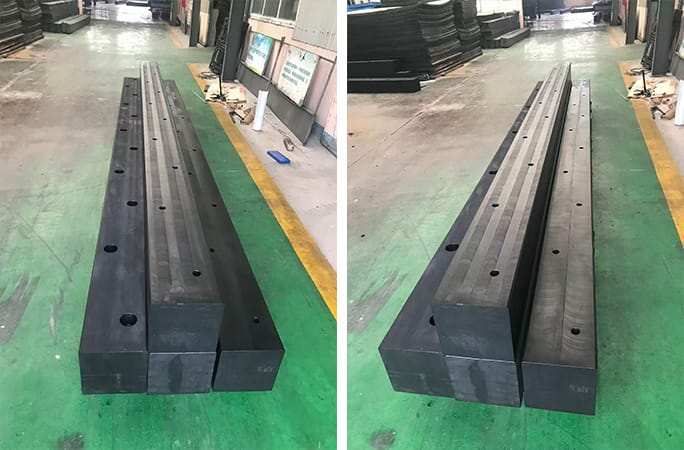
Its product portfolio includes UHMWPE sheets, HDPE sheets, borated polyethylene sheets, PP sheets and nylon sheets, together with customized plastic components and specialized products such as crane outrigger pads and marine fender facing pads.
The company also highlights applications across ports, mining, power and energy, food and pharmaceutical processing, agriculture, construction, paper, textiles, chemical processing and general machinery.
For New Zealand industrial buyers, this broad product range makes it possible to compare different polymer materials according to the actual requirements of a project instead of being limited to one material category.
FAQ About Engineering Plastics in New Zealand
What are the most common engineering plastics for industrial applications?
Common choices include UHMWPE, HDPE, nylon, PP and PVC. The best material depends on load, wear, friction, temperature, chemical exposure and fabrication requirements.
Is UHMWPE suitable for New Zealand outdoor applications?
UHMWPE can be suitable for many outdoor industrial applications because of its wear resistance, impact resistance, low friction and moisture resistance. However, UV exposure, temperature and the specific grade should be evaluated for long-term outdoor use.
Can engineering plastic sheets be custom sized?
Yes. Engineering plastic sheets can be manufactured or processed to specified dimensions depending on the material, thickness and production capability. Yunzhan Plastic provides customized sheet dimensions and processing services.
Can engineering plastics replace metal parts?
In selected applications, yes. Engineering plastics can replace metal components where low weight, corrosion resistance, low friction, wear resistance or impact performance are important. The replacement should be validated against the mechanical and environmental requirements of the application.
Can Yunzhan Plastic supply custom engineering plastic components to New Zealand?
Yunzhan Plastic provides customized engineering plastic processing and exports products internationally. Customers can provide dimensions, technical drawings, material requirements and application information for project evaluation.
Conclusion
The demand for engineering plastics in New Zealand is closely connected with the country’s manufacturing, agriculture, machinery, marine, food processing, construction and infrastructure industries.
The right polymer can provide a practical solution to problems involving wear, corrosion, friction, impact, weight and maintenance. UHMWPE is particularly useful for wear and sliding applications, while HDPE, nylon, PP and PVC provide different performance advantages for other industrial requirements.
For buyers, the most important step is not simply choosing an engineering plastic by name. It is matching the material to the actual operating conditions and then selecting a manufacturer capable of producing consistent sheets or finished components.
If you are sourcing engineering plastic sheets, UHMWPE, HDPE, nylon, PP, PVC or custom-machined plastic components for a project in New Zealand, contact Yunzhan Plastic today with your dimensions, application and working conditions. Our team can help you identify a suitable material and processing solution for your application.