
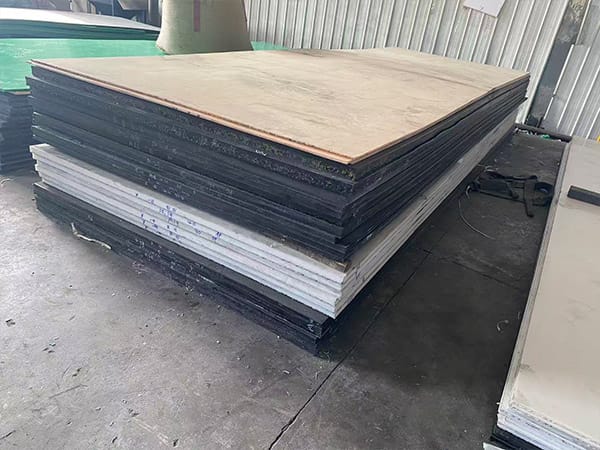
In the demanding world of modern manufacturing and heavy industry, the choice of materials determines the thin line between operational excellence and costly downtime. For decades, steel and alloys have been the default choices, but a significant shift is underway. Decision-makers are increasingly turning to high-performance Engineering Plastic Sheet variants to solve complex wear, corrosion, and impact challenges that traditional materials simply cannot handle.
The transition to polymers isn’t just about weight reduction; it is about specialized performance. Whether it is a port facility dealing with salt-water corrosion or a mining site facing extreme abrasion, the right Engineering Plastic Sheet offers a customized solution that extends equipment life and slashes maintenance budgets.
Table of Contents
Why Material Selection Dictates Your Bottom Line
Every industrial environment has a “silent killer” of productivity—friction, chemical degradation, or impact damage. Traditional materials often require constant lubrication or frequent replacement. However, high-grade Engineering Plastic Sheet materials, such as UHMWPE (Ultra-High Molecular Weight Polyethylene) and HDPE, are engineered with inherent properties that resist these forces.
According to technical resources on polymer science and engineering, these materials possess a molecular structure that allows them to absorb energy and resist chemical bonds, making them virtually immune to many common industrial acids and alkalis.
Comparative Performance Data: Engineering Plastics vs. Standard Needs
When selecting the appropriate Engineering Plastic Sheet, it is vital to match the technical specifications to your specific environment. Below is a breakdown of common materials and their primary strengths:
| Material Type | Key Advantage | Common Applications | Typical Thickness Range |
| UHMWPE Sheet | Extreme wear & impact resistance | Mining liners, marine fenders, crane pads | 3mm – 200mm |
| HDPE Sheet | High durability & chemical resistance | Industrial tanks, water treatment, outdoor facilities | 1mm – 30mm |
| Nylon (PA6) Sheet | High mechanical strength & stiffness | Gears, bushings, customized machinery parts | 5mm – 100mm |
| PP (Polypropylene) | Chemical resistance & lightweight | Chemical tanks, laboratory equipment, packaging | 0.5mm – 60mm |
Real-World Case Studies: Engineering Plastic Sheet in Action
1. Mining and Coal: Reducing Operational Downtime
In the mining sector, material handling systems are constantly subjected to wear from raw minerals. One partner in the mining industry reported that switching to impact-resistant Engineering Plastic Sheet liners significantly reduced operational downtime. By installing UHMWPE liners in chutes and hoppers, the facility was able to resist the scouring of abrasive materials, extending the conveyor equipment’s service life and lowering overall maintenance costs.
2. Ports and Terminals: Mastering the Marine Environment
Port loading and unloading equipment must survive constant exposure to salt water and heavy physical impact. Marine fender facing pads, often fabricated from a specialized Engineering Plastic Sheet, provide an anti-slip and wear-resistant solution that enhances cargo transfer efficiency. These components must meet strict ASTM international standards for durability to ensure safety in global shipping hubs.
The Importance of Precision Customization
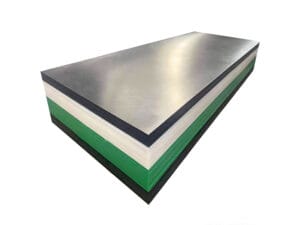
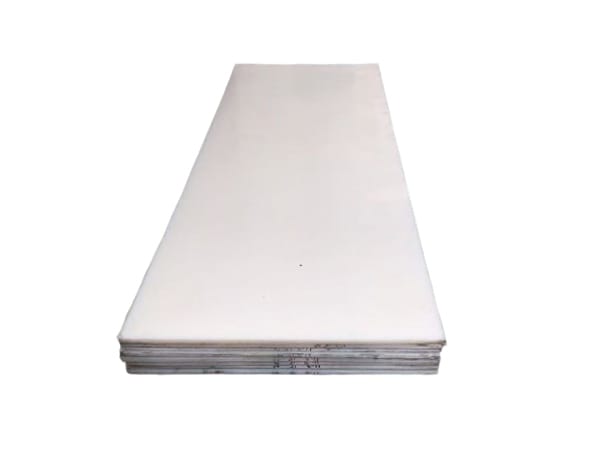
No two industrial projects are identical. A standard Engineering Plastic Sheet might serve as a base, but the true value lies in precision processing. Advanced manufacturers now offer customized plastic parts using CNC technology to meet specialized needs in sectors ranging from automotive components to medical supplies.
When ordering, it is essential to consider not just the material, but the dimensions. For instance, UHMWPE sheets can be produced with a maximum width of 5260mm, while Nylon PA6 sheets can reach widths of 2200mm to accommodate large-scale industrial machinery. This level of customization ensures that the Engineering Plastic Sheet integrates seamlessly into existing systems without the need for extensive on-site modification.
Compliance, Safety, and Sustainability
In the food and pharmaceutical industries, material safety is non-negotiable. Materials used in these sectors must be non-toxic, odorless, and easy to clean. High-density Engineering Plastic Sheet solutions often comply with FDA packaging and food contact regulations, ensuring that production and transportation links remain uncontaminated.
Furthermore, for environmental water treatment, the corrosion resistance of these polymers is critical. Unlike metal, an Engineering Plastic Sheet will not rust or leach heavy metals into the water system, ensuring stable and sustainable operation for years. You can learn more about the role of polymers in preventing environmental degradation through resources like Materials Performance, which tracks corrosion-resistant technologies globally.
How to Optimize Your Purchase Strategy
To get the most out of your investment in Engineering Plastic Sheet technology, follow these three operational steps:
1. Audit Your Environment: Identify the primary stressor—is it high temperature, chemical exposure, or physical abrasion?
2. Verify Standards: Ensure the manufacturer follows rigorous R&D and production standards to guarantee batch stability.
3. Request Samples: For large-scale projects, obtaining a sample allows you to test the material’s wear and impact resistance under actual site conditions before a full rollout.
If you are ready to upgrade your facility’s performance, you can contact industrial experts to discuss specific load-bearing or chemical resistance requirements.
FAQ
What is the maximum temperature an Engineering Plastic Sheet can withstand?
This depends heavily on the material. While PP and HDPE are excellent for moderate temperatures and chemical resistance, specialized Nylon or high-performance thermal power industry equipment components are designed to withstand higher temperature environments better than standard plastics.
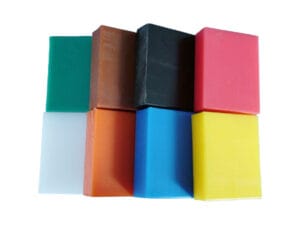
Can I get an Engineering Plastic Sheet in custom colors?
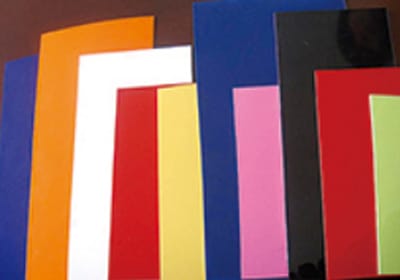
Yes. Many products, such as heavy-duty outrigger pads and customized sheets, can be produced in various colors and sizes based on specific customer requirements.
Is Engineering Plastic Sheet more expensive than metal?
While the upfront cost can vary, the total cost of ownership is often lower. Because these materials are wear-resistant and corrosion-resistant, they reduce the need for replacement parts and maintenance labor, leading to long-term savings.
How do I know which thickness to choose for my application?
Thickness requirements range from 0.5mm for packaging (PP) to 200mm for heavy-duty industrial applications (UHMWPE). Consulting with a technical team is the best way to determine the optimal thickness for your load-bearing needs.