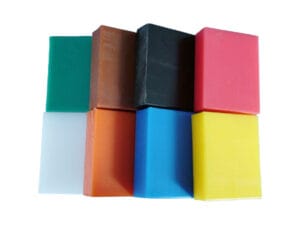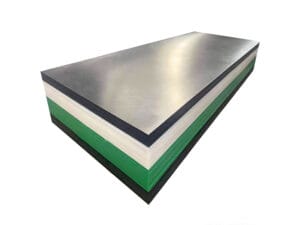

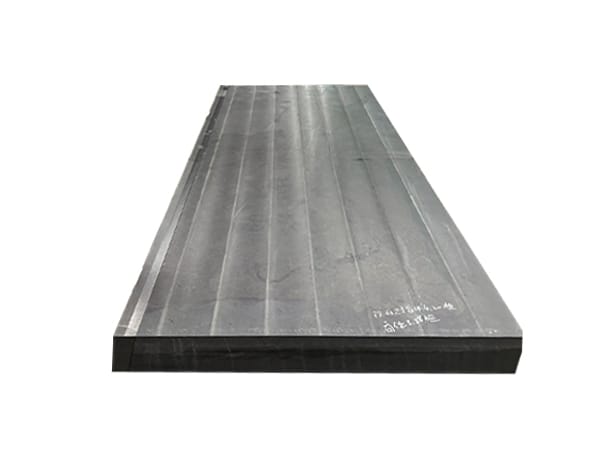
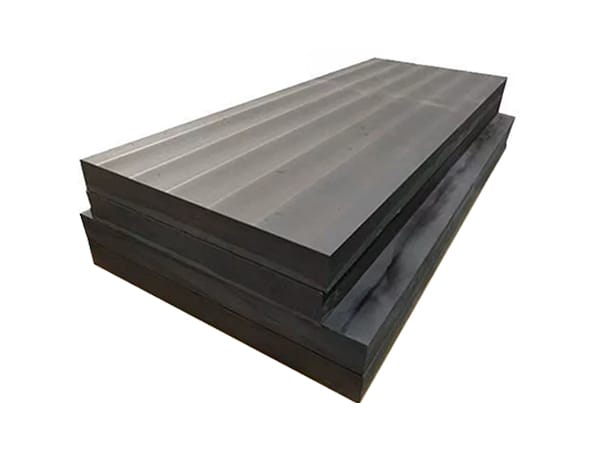
In modern industrial environments, the pressure to reduce downtime while increasing equipment longevity has never been higher. For many years, metal was the standard for heavy-duty components, but it often failed due to rust or abrasive wear. The industry is now shifting toward the engineering plastic board as a superior alternative. These advanced polymers provide a unique combination of impact resistance, chemical stability, and long-term durability that metals simply cannot replicate.
Choosing a high-performance engineering plastic board ensures that your machinery can withstand the harshest conditions without the need for constant repairs. Whether you are dealing with the abrasive environment of a coal mine or the strict hygiene requirements of a pharmaceutical plant, these boards provide the technical strength necessary for stable operations.
Table of Contents
Technical Specifications: Matching Material to Application
Selecting the right engineering plastic board requires a careful analysis of dimensions and material properties. The sources indicate that different polymers are engineered to handle specific industrial stressors, from extreme scouring to high-temperature environments.
The following table highlights the standardized capabilities of the most common industrial boards:
| Material Type | Thickness Range | Max Width | Primary Industrial Strength |
| UHMWPE Board | 3mm – 200mm | 5260mm | Extreme wear and impact resistance |
| Nylon PA6 Board | 5mm – 100mm | 2200mm | High mechanical strength and stiffness |
| HDPE Board | 1mm – 30mm | 1500mm | Balanced load-bearing and chemical resistance |
| PP Board | 0.5mm – 60mm | 1500mm | Chemical resistance and lightweight efficiency |
Case Study 1: Solving Wear Issues in Mining and Coal
In the mining industry, material handling systems are often the first to fail due to the constant scouring of raw minerals. A facility recently integrated an impact-resistant engineering plastic board (specifically UHMWPE) into their chutes and hoppers. The results were immediate: the facility reported a significant reduction in operational downtime.
Because the engineering plastic board provides a low-friction surface, it prevents material adhesion, which is a common cause of clogging in conveyor systems. This upgrade not only extended the service life of their equipment but also lowered annual maintenance costs significantly. According to studies on polymer engineering (external link), these materials are specifically designed to absorb energy that would typically crack or deform metal.
Case Study 2: Meeting Global Food and Pharmaceutical Standards
In the food and pharmaceutical sectors, material safety is a non-negotiable requirement. Surfaces must be non-toxic, odorless, and easy to sanitize to prevent contamination. Using a specialized engineering plastic board ensures compliance with strict contact standards for production and transportation links.
Unlike traditional materials that might leach chemicals or harbor bacteria in rust pits, these high-density boards are virtually non-porous. This makes them ideal for various mechanical equipment in the medical supply chain. Furthermore, many of these materials meet FDA food safety standards (external link), making them a trusted choice for B2B partners who prioritize hygiene and quality.
Precision Customization and Industrial Compliance
One of the greatest benefits of modern manufacturing is the ability to produce customized plastic parts that fit specific machinery perfectly. Using advanced CNC technology, an engineering plastic board can be transformed into gears, bushings, or specialized heavy-duty outrigger pads. This level of customization ensures that the product meets both industry standards and specific customer requirements.
For example, in the marine industry, fender facing pads are often fabricated from an engineering plastic board to provide anti-slip and wear-resistant solutions for ports and terminals. These components must be durable enough to withstand constant exposure to salt water and heavy physical impact. To ensure global safety, these parts often adhere to ASTM international standards (external link).

Optimizing Your Long-Term Strategy
To get the most out of your investment, it is vital to partner with manufacturers that utilize professional R&D teams and cutting-edge inspection equipment. Reliability in the global market is driven by consistent quality and efficient after-sales service. As the demand for high-performance materials grows, staying updated on industrial market trends (external link) can help your business maintain a competitive edge.
If you are ready to upgrade your facility’s reliability, you should contact industrial experts to discuss your specific load-bearing and chemical resistance needs. For water treatment and chemical environments, ensuring that your engineering plastic board is fully corrosion-resistant is the best way to maintain stable system operation. You can find more research on maintaining system stability in corrosive environments via Materials Performance (external link).
FAQ
What is the maximum width for a UHMWPE engineering plastic board?
According to technical specifications, these boards can be manufactured with a maximum width of 5260mm, allowing for large-scale industrial liners.
Can an engineering plastic board withstand high temperatures?
Yes, certain variants are specifically suitable for thermal power industry equipment and are designed to ensure stable production in high-temperature environments.
Are these boards suitable for the textile and paper industry?
Yes. They are used to solve material adhesion issues in papermaking and textile equipment, which reduces part wear and ensures production continuity.
Is customization available for special-shaped parts?
Absolutely. Manufacturers use precision processing technology to create customized parts for sectors like automotive, medical supplies, and electronic components.