
Table of Contents
Introduction
A borated polyethylene sheet is used when a project needs a polymer shielding material that can help attenuate neutron radiation while remaining machinable into panels, blocks, and custom parts. Buyers usually compare boron content, thickness, panel size, documentation, and installation method before ordering.
This guide does not replace a radiation shielding calculation. Instead, it helps procurement and engineering teams prepare better specifications for 5%-50% borated polyethylene sheet and related custom sheet products.
What This Material or Part Does
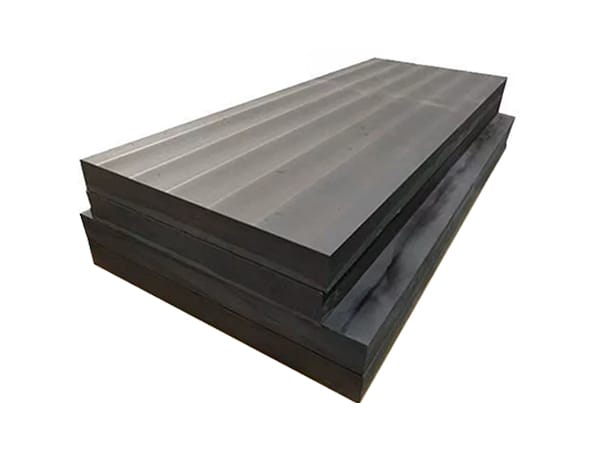
A borated polyethylene sheet is polyethylene compounded with boron-containing material. Polyethylene contains hydrogen, which is useful in slowing fast neutrons, while boron is used because it can absorb thermal neutrons. The final shielding design depends on radiation type, source strength, geometry, and required dose limits.
For general background, the U.S. Nuclear Regulatory Commission provides public education on radiation and protection concepts. Specific shielding thickness should be confirmed by qualified radiation protection professionals rather than guessed from a generic table.
Where It Works Best
A borated polyethylene sheet may be used in research facilities, nuclear medicine support areas, inspection equipment, storage shielding, laboratory fixtures, and industrial radiation protection projects. It is also used where machined shielding panels or blocks are needed.
For projects requiring lower boron content, the 5% borated UHMW polyethylene sheet page is a useful related product. Buyers should choose boron content from the shielding design, not from availability alone.
Key Selection Factors
Boron content
The boron percentage is one of the most important details in a borated polyethylene sheet specification. Higher boron content may be required in some shielding designs, but it can also affect machining behavior and documentation.
Thickness and layout
Shielding performance depends on total thickness, gaps, joints, overlaps, and surrounding materials. A borated polyethylene sheet should be planned as part of a complete shielding assembly.
Machining and documentation
Many projects require cut panels, drilled holes, grooves, labels, or certificates. Confirm documentation needs before production, especially for regulated or audited facilities.
Technical Comparison Table
| Selection point | What to check | Practical impact |
|---|---|---|
| Material grade | Specified boron content and polyethylene grade | Matches the shielding calculation and documentation |
| Dimensions | Thickness, panel size, tolerance, and joint layout | Controls shielding continuity and installation fit |
| Operating environment | Indoor, radiation area, cleaning, and temperature conditions | Supports safe handling and long-term use |
| Processing method | Cutting, drilling, routing, labeling, and packing | Reduces field modification and installation errors |
Installation and Maintenance Notes
During installation, avoid unplanned gaps and exposed seams. Even a well-specified borated polyethylene sheet can underperform if panels are installed with poor overlap or missing sections.
Maintenance should include visual inspection, label checks, and review after any equipment relocation. Radiation shielding changes should be handled under the facility?? safety procedures and professional review.
Common Buying Mistakes
- Ordering boron content without a shielding calculation.
- Ignoring joints, seams, doors, and penetrations.
- Forgetting documentation requirements until after production.
- Assuming a borated polyethylene sheet is suitable for every radiation type.
What to Send Before Quotation
A shielding RFQ should be specific and documented. If drawings are confidential, send simplified panel dimensions and technical requirements for the borated polyethylene sheet.
- Boron content, sheet thickness, and quantity.
- Panel drawings, holes, grooves, and labels.
- Required certificates or material documentation.
- Application type and installation layout.
- Packing, handling, and delivery requirements.
FAQ
Does borated polyethylene sheet block all radiation?
No. A borated polyethylene sheet is mainly associated with neutron shielding designs. Other radiation types may require different materials or layered shielding.
Can borated polyethylene sheet be machined?
Yes. Borated polyethylene sheet can usually be cut, drilled, and machined, but tool selection and dust control should follow workshop safety practices.
Who decides the required thickness?
A qualified shielding designer or radiation protection professional should determine thickness based on source, geometry, dose limits, and regulations.
Conclusion
A borated polyethylene sheet should be purchased from a clear technical specification. Confirm boron content, thickness, layout, machining, and documentation before production begins.
Documentation and Handling Notes
Shielding projects often involve several teams, including designers, safety staff, installers, and purchasing departments. Keep revision control on drawings so the material order matches the approved layout. If panels are cut into many similar shapes, each piece should be identified clearly to avoid installation gaps or reversed placement.
Handling requirements should also be reviewed before delivery. Dense panels can be heavy, and large sheets may need lifting equipment, protected edges, or staged installation. Packaging should keep machined surfaces, labels, and corners intact until the panels are ready to be installed under the facility’s safety procedure.
Store spare panels flat, labeled, and protected from unnecessary surface damage until they are needed.
Confirm receiving inspection steps before the shipment arrives on site.