
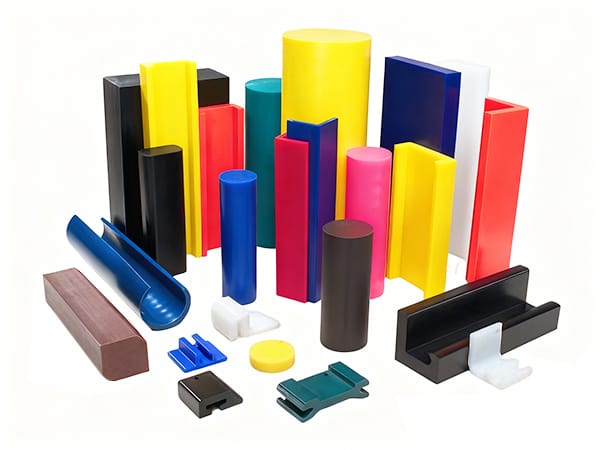

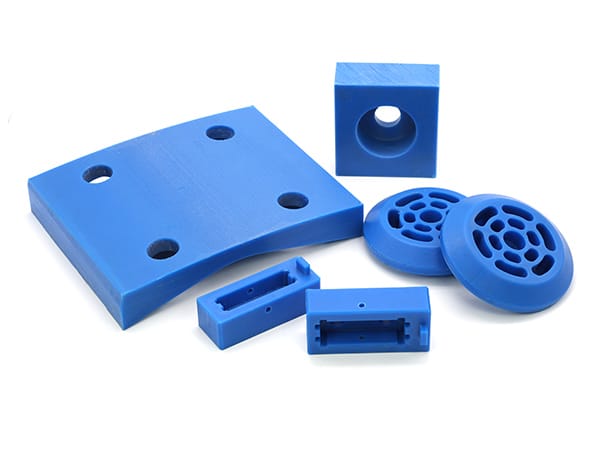

Description
Engineering Plastic Components is an entry page with a narrow job: help buyers route a request correctly before it becomes a quotation. It should answer what belongs on this page and what should move to a more specific product page.

A routing page for custom components
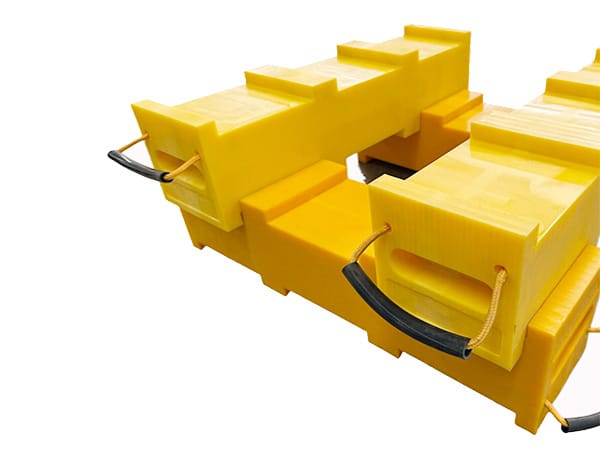
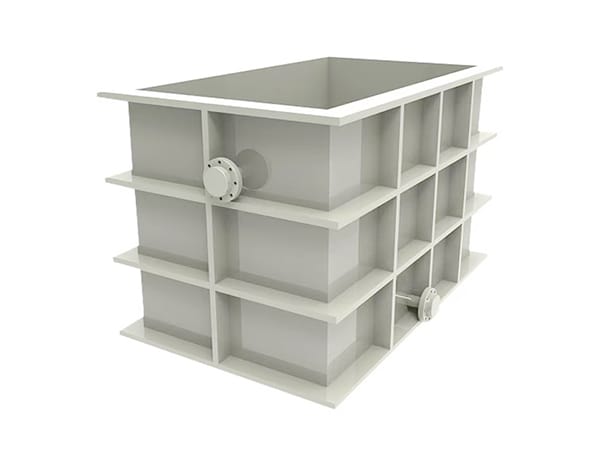
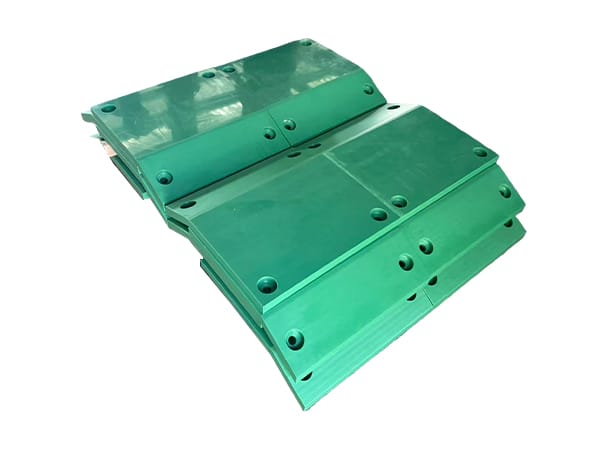
Engineering Plastic Components is not a single material page. It is a routing page for buyers who have a part function, drawing, sample, or failure problem and need help deciding whether the correct path is sheet stock, CNC milling, gear machining, guide rail production, cushion blocks, pads, liners, or fabricated assemblies.
Start with the component function
The inquiry should describe what the part does inside the machine or installation. A component may carry load, guide movement, reduce wear, isolate noise, resist chemicals, support equipment, protect a surface, or replace a metal part. That function matters more than a broad plastic category.
Separate drawing-based work from material supply
If the buyer only needs sheet, rod, or block material, a material page is enough. If the buyer needs holes, slots, grooves, teeth, profiles, labels, or repeated tolerances, the project should move into drawing-based component review. That difference changes quoting, inspection, and production planning.
How to describe a failed component
Replacement work should include photos of wear marks, cracks, deformation, broken edges, hole elongation, staining, or mounting damage. These signs can show whether the previous issue came from material choice, part geometry, surrounding hardware, or installation.
Material selection should remain conditional
UHMWPE, HDPE, PP, PA6 nylon, and other engineering plastics solve different problems. The site should not imply one plastic fits every component. The proper recommendation depends on load, sliding contact, chemical exposure, moisture, temperature, tolerance, and cleaning method.
How this page should reduce duplicate inquiries
This page should collect uncertain custom requirements and then route them to a specific product or process. If the buyer already knows the part is a gear, rail, cushion block, outrigger pad, or plastic sheet, the more specific page should be used instead of repeating the same broad component description.
RFQ decision table
| Part function | Load, wear, guidance, support, isolation or protection. |
| Drawing status | Finished drawing, STEP file, sample or photos. |
| Material decision | Known material or conditions needed for selection. |
| Production route | Raw material, CNC milling, gear machining, rail, block, pad or liner. |
Related pages for clearer routing
Use these pages when the request becomes more specific: CNC milling plastic parts, CNC machining plastic gear, UHMWPE plastic cushion block, PA6 nylon sheet. Internal links are chosen to reduce overlap, not to send every buyer through the same generic page.
Conclusion
Engineering Plastic Components should guide buyers toward the right material form or finished component scope. The stronger the application details, the easier it is to avoid duplicate quotations and choose the right product path.
FAQ
What are engineering plastic components?
They are custom or replacement parts made from engineering plastics such as UHMWPE, HDPE, PP, PA6 nylon, or other suitable materials.
What should buyers send first?
Send the part function, drawing or photos, quantity, tolerance, current failure issue, and working environment.
Is this the same as CNC milling plastic parts?
No. CNC milling is one production route. This page helps route broader custom component inquiries to the right process.