
Table of Contents
How to Choose PP Sheet for Tanks and Fabrication? is a practical question for buyers dealing with chemical tanks, welded panels, and process equipment where compatibility matters. A useful answer does not start with a generic material claim; it starts with the job, the installation, and the information needed for a reliable quotation.
This guide explains how to evaluate pp sheet without turning the RFQ into guesswork. For related product details, review PP sheet. For neutral background, see polypropylene material background.

Treat the stored liquid as the first design input
For tank and process work, the liquid is not a background detail. Concentration, temperature, cleaning method, and contact time all affect material choice. A drawing without liquid information is incomplete. In this context, pp sheet should be specified with enough detail for engineering review.
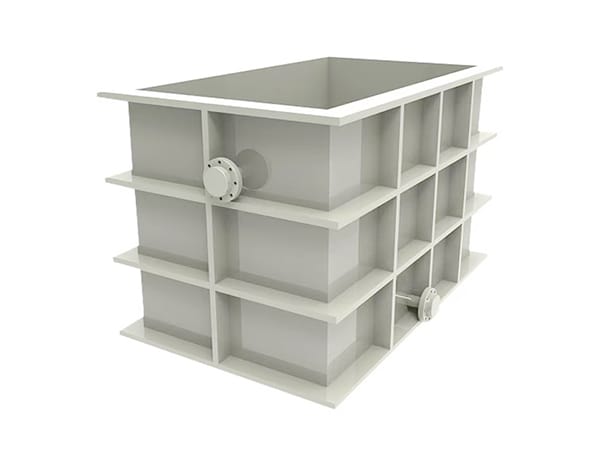
Weld layout can matter more than sheet size
A tank wall, baffle, or cover may look simple, but the weld sequence and reinforcement decide whether the part remains stable. Include nozzle positions, drain details, and support frames in the first RFQ. In this context, pp sheet should be specified with enough detail for engineering review.
Decision table
| Chemical tank | Liquid, concentration, temperature, fittings, and support |
| Process cover | Opening size, reinforcement, cleaning, and handling |
| Welded panel | Sheet thickness, weld position, flatness, and color |
| Machined PP part | Drawing tolerance, holes, edges, and batch quantity |
Do not ignore temperature movement
PP has useful fabrication properties, but temperature still affects expansion and long-term behavior. Outdoor tanks, warm liquids, and repeated cleaning cycles should be discussed before production. That is why pp sheet should be reviewed as part of the whole application, not as a catalog label.
Separate flat sheet orders from finished fabrication
If the buyer needs raw sheet, the quote is simple. If the buyer needs a tank, cover, welded box, or fitted panel, the quote should include fabrication, inspection, and packing details. That is why pp sheet should be reviewed as part of the whole application, not as a catalog label.
RFQ details that prevent confusion
- State the exact product phrase, quantity, size, thickness, and material preference for pp sheet.
- Attach a drawing, sketch, or clear site photo when the part fits existing equipment.
- Describe load, wear, chemicals, sunlight, moisture, temperature, cleaning, or movement.
- List holes, slots, countersinks, labels, colors, handles, welding, CNC machining, and edge finish.
- Separate must-have requirements from preferences so the supplier can suggest practical alternatives.
Tank fabrication details that are easy to miss
For PP tank work, nozzle location, liquid level, drain access, and reinforcement are often more important than the flat sheet itself. A side fitting can create stress if the wall is not supported correctly. Buyers should include a simple layout drawing showing inlet, outlet, overflow, drain, manway, and any frame connection before asking for production.
Why welding quality belongs in the quotation
PP sheet fabrication depends on weld preparation, operator process, and the way the finished tank or cover is inspected. If the buyer only asks for sheet dimensions, the supplier cannot price the fabrication risk properly. A tank quote should state whether leak inspection, flange work, reinforcement, or site assembly allowance is required.
For pp sheet, the most useful purchase details are the finished dimensions, working environment, expected load or wear, and any machining requirements.
Practical Checks Before Ordering
For tank fabrication, fitting locations should be shown on the first drawing. Inlets, drains, overflow points, and support frames can change wall reinforcement.
Welded PP assemblies should be quoted as fabricated parts, not just flat sheets. The scope may include preparation, welding, inspection, and packing.
Temperature and liquid compatibility should be reviewed before production. A storage tank and a process tank can require different design assumptions.
Before production, confirm the drawing version, installation method, packing needs, and inspection points. These details keep the order practical without adding unnecessary wording at the end.
If several parts look similar, use labels or a simple packing list so the installation team can match each piece to the right location. This is especially useful for cut panels and machined components.
Confirm the drawing version, installation method, packing needs, and inspection points before production. These details help the supplier quote the real scope and reduce avoidable revisions.
If the part must fit existing equipment, include photos or a sketch of the surrounding area. Access space, fastener position, and support surfaces can affect the final design.
Request a Quote
Send drawings, dimensions, quantity, and working conditions to discuss pp sheet with SDYZ Plastic.
FAQ
What is pp sheet used for?
pp sheet is used when the material, size, and design match the application.
How do I choose pp sheet?
Check the working condition, dimensions, thickness, material, and processing scope.
Can pp sheet be customized?
Yes. Size, color, holes, edges, and machining can usually be made from drawings.
What should I send for a quote?
Send drawings, dimensions, quantity, application details, and delivery destination.
When should I ask for review?
Ask before ordering if load, wear, chemicals, outdoor use, or tolerance may affect performance.