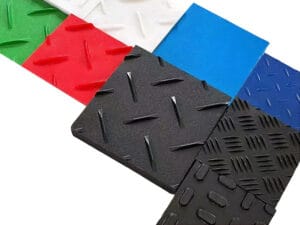


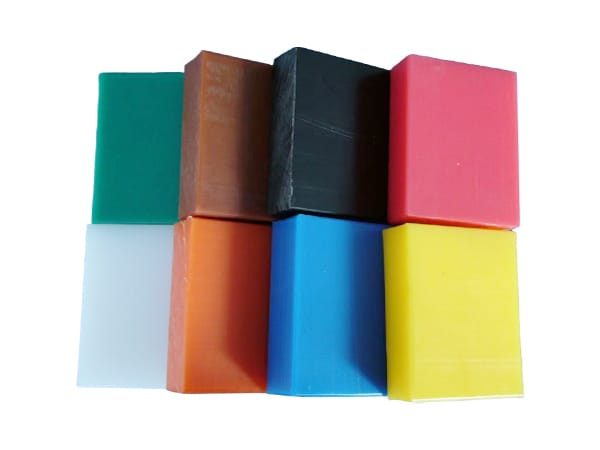
How to Choose UHMWPE Sheet for Industrial Wear Use? is a practical question for buyers dealing with wear surfaces that fail through abrasion, sliding contact, and impact. A useful answer does not start with a generic material claim; it starts with the job, the installation, and the information needed for a reliable quotation.
This guide explains how to evaluate uhmwpe sheet without turning the RFQ into guesswork. For related product details, review UHMWPE plastic sheets. For neutral background, see UHMWPE material background.
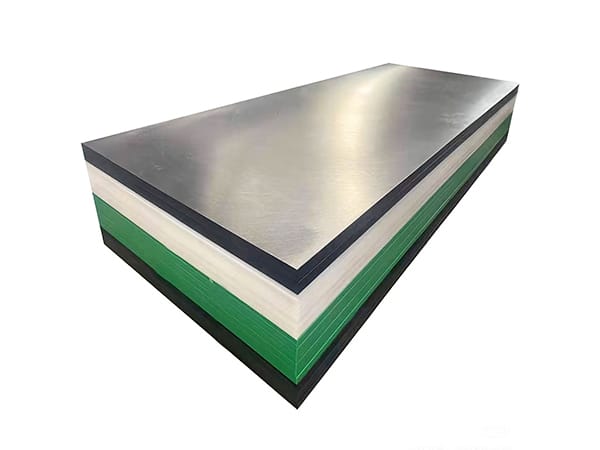
Read the wear pattern before choosing material
Look at where the old liner, guide, or pad loses thickness first. A polished sliding path suggests friction control matters; gouges and grooves suggest abrasive particles; broken corners usually point to impact or unsupported edges. This diagnosis changes the material grade, thickness, and fastening plan. In this context, uhmwpe sheet should be specified with enough detail for engineering review.
Match thickness to support, not just life expectancy
A thicker plate can add wear allowance, but it does not automatically solve a poor support condition. If the sheet bridges gaps or sits on an uneven frame, deflection may become the main problem. Ask for both the finished size and the backing structure. In this context, uhmwpe sheet should be specified with enough detail for engineering review.
Decision table
| Sliding liner | Review friction, abrasion, fastener position, and cleaning access |
| Guide rail | Check profile, chain contact, speed, and wear allowance |
| Impact pad | Confirm backing support, edge radius, and replacement access |
| Machined part | Discuss tolerance, part thickness, and stress after machining |
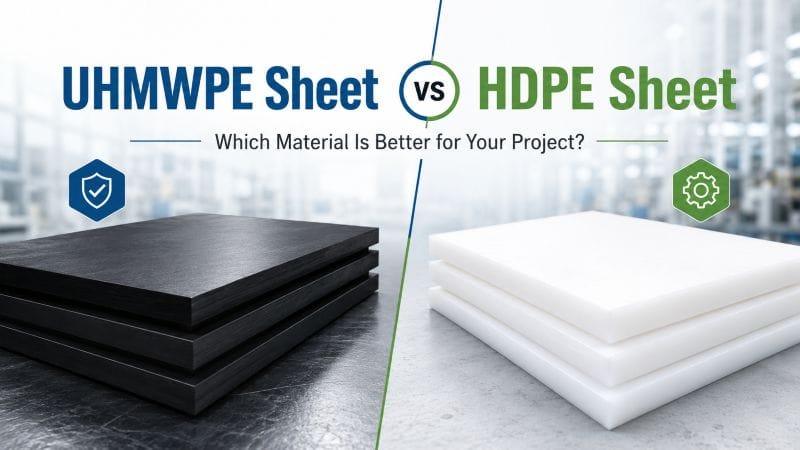
Fasteners decide how cleanly the part wears
Raised bolts, sharp countersinks, and poorly spaced holes can create hang-up points. For a liner or guide, the fastening method should keep the contact face as smooth as possible while still allowing practical replacement. That is why uhmwpe sheet should be reviewed as part of the whole application, not as a catalog label.
Where UHMWPE is less suitable
Do not treat the material as universal. High heat, demanding structural stiffness, or aggressive chemical exposure may require a different plastic or a different design. The application should decide the grade. That is why uhmwpe sheet should be reviewed as part of the whole application, not as a catalog label.
RFQ details that prevent confusion
- State the exact product phrase, quantity, size, thickness, and material preference for uhmwpe sheet.
- Attach a drawing, sketch, or clear site photo when the part fits existing equipment.
- Describe load, wear, chemicals, sunlight, moisture, temperature, cleaning, or movement.
- List holes, slots, countersinks, labels, colors, handles, welding, CNC machining, and edge finish.
- Separate must-have requirements from preferences so the supplier can suggest practical alternatives.
For uhmwpe sheet, the most useful purchase details are the finished dimensions, working environment, expected load or wear, and any machining requirements.
Practical Checks Before Ordering
Inspect the mating surface before choosing a grade. Grooved steel, trapped fines, and sharp transfer points create different wear behavior from smooth sliding contact.
For liners and guide parts, hole position and edge radius should be reviewed early. Poor fastening can create local stress and make later replacement harder.
If the old part failed quickly, keep a photo record of the worn area. That evidence helps separate material failure from installation or support problems.
Before production, confirm the drawing version, installation method, packing needs, and inspection points. These details keep the order practical without adding unnecessary wording at the end.
If several parts look similar, use labels or a simple packing list so the installation team can match each piece to the right location. This is especially useful for cut panels and machined components.
The quotation should make the production scope clear. Raw material supply, cut-to-size work, drilled panels, and finished fabricated assemblies require different time, inspection, and packing plans.
A short review call can prevent avoidable revisions. The buyer can confirm what is fixed, what can be adjusted, and which details are only preferences rather than functional requirements.
Confirm the drawing version, installation method, packing needs, and inspection points before production. These details help the supplier quote the real scope and reduce avoidable revisions.
If the part must fit existing equipment, include photos or a sketch of the surrounding area. Access space, fastener position, and support surfaces can affect the final design.
Separate raw material supply from processing work in the RFQ. Cutting, drilling, CNC machining, welding, labeling, and special packing should be listed clearly.
Request a Quote
Send drawings, dimensions, quantity, and working conditions to discuss uhmwpe sheet with SDYZ Plastic.
FAQ
What is uhmwpe sheet used for?
uhmwpe sheet is used when the material, size, and design match the application.
How do I choose uhmwpe sheet?
Check the working condition, dimensions, thickness, material, and processing scope.
Can uhmwpe sheet be customized?
Yes. Size, color, holes, edges, and machining can usually be made from drawings.
What should I send for a quote?
Send drawings, dimensions, quantity, application details, and delivery destination.
When should I ask for review?
Ask before ordering if load, wear, chemicals, outdoor use, or tolerance may affect performance.