

Introduction
A UHMWPE fender panel is used on docks, quay walls, and marine fender systems to create a tough, low-friction contact surface. When vessels move against a fender system, the face panel helps reduce sliding resistance and protects both the structure and the fender assembly.
This guide explains how to evaluate a UHMWPE fender panel by thickness, color, fixing layout, sheet size, backing structure, and maintenance access. It is intended for port operators, marine contractors, and procurement teams comparing UHMWPE marine fender sliding panel options.
What This Material or Part Does
A UHMWPE fender panel is made from ultra-high molecular weight polyethylene sheet and installed as the working face of a fender or bumper system. It is designed to take contact, sliding, and impact from vessel movement while reducing direct wear on steel or rubber structures.
UHMWPE is valued for abrasion resistance, toughness, and low friction. A general technical background is available from ultra-high-molecular-weight polyethylene. In marine equipment, a UHMWPE fender panel supports smoother contact and easier replacement.
Where It Works Best
A UHMWPE fender panel works well on wharves, ferry terminals, cargo docks, tug berths, and industrial waterfront facilities. It can be used as a sliding face, bumper cover, or replaceable wear plate depending on the fender design.
For dock bumper applications, related products such as UHMWPE marine dock bumper panel may be considered together with fender sliding panels so the contact surface is consistent across the berth.
Key Selection Factors
Panel thickness and impact zone
Thickness should be selected from expected vessel contact, backing support, bolt layout, and replacement cycle. A UHMWPE fender panel is not a structural substitute for the backing frame; it is the wear and sliding surface.
Fastener design
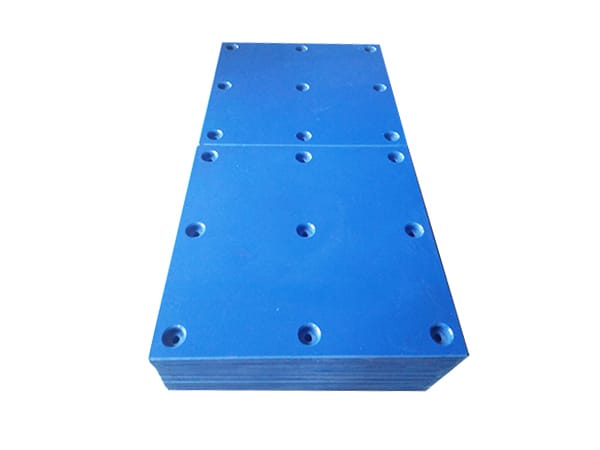
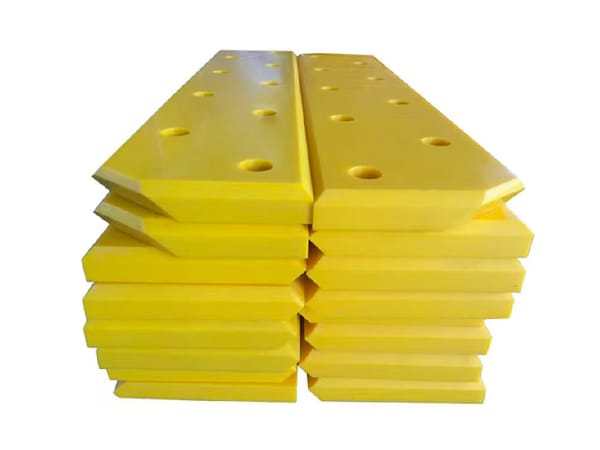
Countersunk bolts, proper washer design, and correct hole spacing help prevent raised hardware from contacting the vessel. Elongated holes may be considered where thermal movement is expected.
Color and visibility
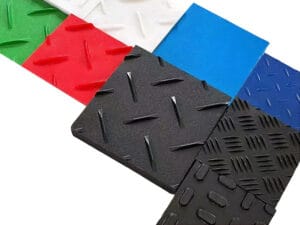
Black panels are common, but colored UHMWPE fender panel options can improve visibility or match port identification requirements. Color selection should not override material and thickness requirements.
Technical Comparison Table
| Selection point | What to check | Practical impact |
|---|---|---|
| Material grade | Marine-grade UHMWPE sheet | Provides low-friction, wear-resistant contact surface |
| Dimensions | Panel thickness, length, width, and bolt pattern | Controls fit to the backing frame and replacement sections |
| Operating environment | Seawater, UV, impact, and temperature exposure | Supports long-term outdoor use planning |
| Processing method | Cutting, drilling, countersinking, and edge finishing | Ensures the UHMWPE fender panel installs cleanly |
Installation and Maintenance Notes
Inspect the panel face for grooves, cracked corners, loose bolts, and edge lifting. Pay special attention after unusual vessel contact or storm conditions.
Marine safety and berthing design should be reviewed by qualified engineers. Public references such as marine fenders explain the general purpose of fender systems, but site-specific design should follow local standards and project requirements.
Common Buying Mistakes
- Treating the panel as the only load-bearing part of the fender.
- Using a bolt pattern that is difficult to access during maintenance.
- Ignoring thermal movement in long panels.
- Choosing thickness without checking backing support.
What to Send Before Quotation
For a UHMWPE fender panel quotation, send the berth layout or panel drawing whenever possible. A clear bolt pattern avoids delays and reduces field modification.
- Panel size, thickness, color, and quantity.
- Bolt diameter, countersink details, and hole spacing.
- Backing frame material and support layout.
- Vessel type, contact area, and operating environment.
- Edge finish, marking, and packing requirements.
FAQ
Why use UHMWPE for fender panels?
A UHMWPE fender panel combines low friction, toughness, and abrasion resistance, which makes it suitable for replaceable marine contact surfaces.
Can a UHMWPE fender panel be customized?
Yes. A UHMWPE fender panel can usually be cut, drilled, countersunk, and supplied in different colors or sizes according to drawings.
How often should fender panels be inspected?
Inspection frequency depends on vessel traffic and site conditions. Busy berths should include the panels in routine dock maintenance checks.
Conclusion
A UHMWPE fender panel should be specified with the whole fender system in mind. Match thickness, fastening, backing support, and maintenance access to the real berth conditions.
Project Coordination Notes
Marine replacement work often happens during short maintenance windows, so the panel package should be organized by location. Marking parts by berth, frame position, or drawing reference can reduce confusion during installation. If several panels look similar but use different hole patterns, clear labels and packing lists are worth confirming before shipment.
It is also sensible to keep a small record of removed panels. Wear location, bolt condition, and damage pattern can show whether the next replacement should keep the same design or use a revised thickness, edge radius, or fastening layout.