
Introduction
A PP sheet is often selected when a project needs a lightweight thermoplastic with useful chemical resistance, weldability, and practical fabrication performance. For tanks, covers, ducts, and industrial panels, the buying decision is rarely about one property alone. The polypropylene panel must match the liquid, temperature, fabrication method, and support design.
This guide explains how engineers and buyers can specify PP sheet for fabricated plastic equipment. It links material choice to real workshop decisions such as welding, bending, thickness, and inspection, rather than treating polypropylene as a generic plastic sheet.

What This Material or Part Does
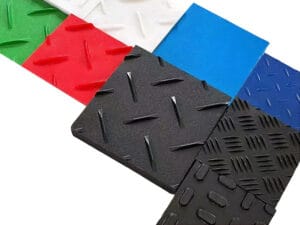
A PP sheet is a polypropylene panel used for cutting, welding, bending, and machining into industrial parts. It is commonly used in tanks, plating equipment, chemical covers, ventilation parts, and general corrosion-resistant components. The sheet is valued because it can be fabricated into large structures without the weight of metal.
Polypropylene is a widely used thermoplastic from the polyolefin family. It is documented for its low density and broad industrial use; a general reference is available from polypropylene. For customers comparing sheet products, the site?? PP Sheet page is the most relevant internal product starting point.
Where It Works Best
A PP sheet works best in fabricated equipment where corrosion resistance, low weight, and weldability matter. It is common in water treatment equipment, chemical storage accessories, laboratory fixtures, plating lines, and custom tank internals.
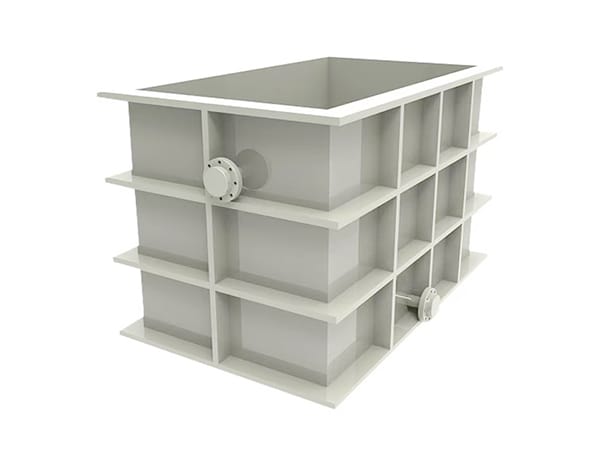
For complete liquid storage equipment, buyers may also compare PP and PE structures such as the PP/PE industrial plastic water tank. Sheet selection and tank design should be treated together because the support frame, weld seams, and liquid conditions affect long-term performance.
Key Selection Factors
Chemical exposure
Before choosing the material, identify the chemical name, concentration, temperature, and exposure time. A panel that works at room temperature may not be suitable at elevated temperature or under continuous immersion.
Welding and fabrication
If the panel will be welded, confirm the welding rod grade, surface preparation, and seam design. Poor welding can become the weak point even when the sheet material is suitable.
Thickness and support
Tank walls, covers, and equipment panels need enough thickness and support to resist bending. A polypropylene panel used as a flat cover has different requirements from a fabricated panel used as a vertical tank wall.
Technical Comparison Table
| Selection point | What to check | Practical impact |
|---|---|---|
| Material grade | Homopolymer or copolymer PP as required | Matches temperature, impact, and welding needs |
| Dimensions | Thickness, panel size, and flatness | Controls fabrication accuracy and support spacing |
| Operating environment | Chemical, temperature, outdoor, and cleaning exposure | Prevents early cracking, softening, or distortion |
| Processing method | Welding, bending, CNC machining, and drilling | Defines how the PP sheet becomes the final component |
Installation and Maintenance Notes
Inspect welded seams, corners, supports, and areas around fittings. A PP sheet structure often fails first at stress points rather than in the middle of a flat panel.
Avoid adding unsupported loads after installation. If pumps, valves, or pipes are mounted to a PP sheet tank or cover, reinforce the area and prevent vibration from concentrating at a small point.
Common Buying Mistakes
- Choosing PP sheet without checking chemical concentration and temperature.
- Using a thickness based only on sheet availability.
- Ignoring welding quality and seam layout.
- Forgetting that outdoor exposure may require extra review.
What to Send Before Quotation
For accurate fabrication advice, send the supplier both the material request and the working condition. A short drawing and chemical list are more useful than a general description.
- Chemical name, concentration, and temperature.
- Sheet size, thickness, color, and quantity.
- Fabrication method: welding, bending, machining, or assembly.
- Drawing with holes, fittings, seams, and support points.
- Indoor or outdoor working condition and expected service environment.
FAQ
Is PP sheet suitable for chemical tanks?
It can be suitable for many chemical tank applications, but compatibility depends on the exact liquid, concentration, temperature, and tank design.
Can PP sheet be welded?
Yes. PP sheet is commonly welded for fabricated tanks and equipment, but welding technique and matching filler material are important.
How is PP sheet different from HDPE sheet?
PP sheet generally has different stiffness, temperature behavior, and chemical compatibility than HDPE. The better choice depends on the chemical environment and fabrication requirements.
Conclusion
A PP sheet is a practical material for fabricated industrial equipment when the specification is clear. Confirm chemical exposure, temperature, thickness, welding details, and support design before ordering PP sheet.
Fabrication Planning Notes
For fabricated polypropylene equipment, drawings should show more than the outside size. Include weld seams, internal baffles, drain positions, lifting points, support ribs, inspection openings, and any areas where operators may lean, step, or attach pipework. These details help the fabricator judge whether reinforcement is needed and whether the proposed layout can be built cleanly.
It is also useful to describe how the finished equipment will be cleaned and inspected. Some tanks and covers are simple storage parts, while others are opened frequently or connected to pumps. Access frequency affects lid design, handle placement, flange support, and the need for removable sections. When these points are addressed early, the finished part is easier to maintain and less likely to require field changes.
Packaging and transport should be considered for large panels or welded assemblies. Long parts may need bracing, protected corners, or special pallet arrangements to prevent bending during shipment. A clear packing requirement is not just a logistics detail; it helps preserve the dimensional accuracy that was planned during fabrication.