
Introduction
A textured HDPE sheet is often chosen when a flat plastic surface needs more grip, better handling, or a less slippery contact face. Buyers usually compare thickness, texture pattern, color, machining method, and the working environment before placing an order. The right textured HDPE sheet can help protect equipment surfaces while making daily use easier for operators.
This guide is written for purchasing teams, maintenance engineers, and fabricators who need a practical way to specify textured HDPE sheet without overbuying or choosing a sheet that is difficult to process. It follows the same buying logic used for standard HDPE plastic sheets, but focuses on textured surfaces and real industrial use.

What This Material or Part Does
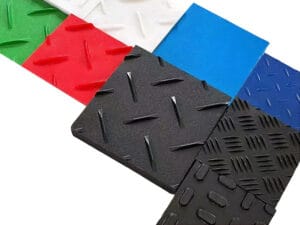
A textured HDPE sheet is a high-density polyethylene panel with a patterned or roughened surface. The texture improves contact between the plastic and shoes, tires, packages, fixtures, or equipment parts. Unlike paint or coating, the texture is part of the sheet surface, so it is more suitable for repeated use and cleaning.
HDPE is known for moisture resistance, toughness, and chemical resistance in many general environments. A textured HDPE sheet keeps those basic advantages while adding surface grip. For general background on the material family, high-density polyethylene is widely documented as a durable thermoplastic used in pipes, sheets, containers, and industrial parts.
Where It Works Best
A textured HDPE sheet works well in areas where people or products need a more controlled contact surface. Common examples include equipment platforms, liner panels, workshop surfaces, ground protection accessories, packaging work areas, and custom plastic parts that need less sliding than a smooth sheet.
It is also useful when a project needs a moisture-resistant sheet that can be cut, drilled, routed, or thermoformed within normal HDPE processing limits. For applications requiring custom shape work, a textured HDPE sheet can be paired with CNC milling plastic parts to match holes, slots, countersinks, and edge details.
Key Selection Factors
Thickness and stiffness
The first decision is thickness. A thin textured HDPE sheet may be enough for wall lining or light surface protection, while a thicker textured HDPE sheet is better for panels that must resist bending or repeated impact.
Texture pattern and cleaning
A deeper texture can improve grip, but it can also hold more dust or residue. If the textured HDPE sheet will be washed often, choose a pattern that balances traction with cleanability.
Machining and fastening
HDPE expands and contracts more than metals, so long textured HDPE sheet panels should be installed with suitable clearance. Fastener holes may need slots, washers, or countersinks depending on the mounting design.

Technical Comparison Table
| Selection point | What to check | Practical impact |
|---|---|---|
| Material grade | Virgin or application-appropriate HDPE | Improves consistency in machining and daily wear |
| Dimensions | Thickness, width, length, and tolerance | Controls stiffness, fit, and panel replacement planning |
| Operating environment | Moisture, chemicals, UV, temperature, and cleaning | Prevents choosing a surface that ages too quickly |
| Processing method | Cutting, routing, drilling, bending, or welding | Makes the finished textured HDPE sheet easier to install |
Installation and Maintenance Notes
During installation, support the sheet evenly and avoid forcing it to compensate for a warped frame. A textured HDPE sheet performs best when it sits flat and the fasteners do not create raised points on the working surface.
For maintenance, inspect worn high-contact zones, loose fasteners, cracks near holes, and any surface contamination that could reduce grip. If safety walking surfaces are involved, also review local workplace requirements and relevant guidance such as OSHA walking-working surfaces.
Common Buying Mistakes
- Choosing only by color and ignoring texture depth.
- Using a sheet too thin for the span between supports.
- Forgetting thermal movement on long panels.
- Assuming every textured surface is equally easy to clean.
What to Send Before Quotation
A clear request helps the supplier confirm whether a standard sheet is enough or whether machining is required. For a textured HDPE sheet, send both functional needs and drawing details.
- Required sheet size and thickness.
- Texture preference or photo of the current surface.
- Load, traffic type, and support spacing.
- Cutting, drilling, countersinking, or edge finishing needs.
- Indoor, outdoor, chemical, washdown, or temperature conditions.
FAQ
Is textured HDPE sheet better than smooth HDPE sheet?
It is better when grip or controlled contact matters. Smooth HDPE is easier to wipe and may be preferred for low-friction sliding surfaces, while textured HDPE sheet is better for traction and handling surfaces.
Can textured HDPE sheet be CNC machined?
Yes. It can usually be cut, drilled, routed, and machined like standard HDPE, but the fixture method should protect the textured face from unwanted marks.
Does texture change chemical resistance?
The material is still HDPE, but the surface pattern can affect cleaning. Chemical compatibility should be checked against the specific liquid, concentration, temperature, and exposure time.
Conclusion
A textured HDPE sheet should be specified as a working surface, not just a plastic board. Match thickness, texture, cleaning needs, fastening details, and environmental exposure, and the finished textured HDPE sheet will be easier to install, inspect, and replace.
Practical Planning Notes
Before production, compare the panel layout with the real equipment surface. Corners, door clearances, handles, drain points, and nearby fasteners can change how the finished part is installed. For larger panels, it is often better to divide the surface into manageable sections rather than force one oversized board into a tight frame. This improves handling, reduces stress during installation, and makes future replacement more controlled.
Keep one approved sample or offcut for future comparison. It gives maintenance and purchasing teams a reference for surface feel, color, thickness, and edge finish when repeat orders are needed.