
Table of Contents
Introduction: UHMWPE vs HDPE
When selecting plastic materials for industrial, engineering, or commercial applications, UHMWPE (Ultra High Molecular Weight Polyethylene) and HDPE (High Density Polyethylene) are two of the most widely considered options. Both belong to the polyethylene family, yet they differ significantly in performance, cost, and applications. Making the wrong choice can lead to excessive wear, higher maintenance costs, and suboptimal operational efficiency.
This guide provides a comprehensive comparison of UHMWPE vs HDPE, exploring their properties, advantages, disadvantages, applications, and practical considerations to help you select the most suitable material. By understanding the differences, you can make informed decisions for projects such as conveyor systems, chutes, marine fenders, water tanks, and general-purpose industrial components.
What is UHMWPE
Ultra High Molecular Weight Polyethylene (UHMWPE) is a high-performance engineering plastic with an extremely long molecular chain structure. Its molecular weight typically ranges between 3 million and 10 million g/mol, which is significantly higher than standard HDPE. This structure gives UHMWPE exceptional properties, including outstanding wear resistance, extremely low friction, high impact strength, and excellent chemical resistance. It is widely used in mining, conveyor systems, marine engineering, and other high-wear environments. UHMWPE is also self-lubricating, reducing maintenance costs in sliding or moving applications. Common UHMWPE applications include conveyor liners in manufacturing and mining, hopper and chute liners for bulk material handling, marine fender pads, food processing equipment, and precision-machined mechanical components.
What is HDPE
High Density Polyethylene (HDPE) is a versatile, cost-effective thermoplastic with moderate molecular weight. It offers good mechanical strength, chemical resistance, and durability while being easier to fabricate and more economical than UHMWPE. HDPE is commonly used in water storage tanks, pipelines, packaging materials, construction panels, cutting boards, and general-purpose industrial components. Its low cost, ease of machining, and reliable performance make it suitable for a wide range of applications where extreme wear resistance or ultra-low friction is not required.
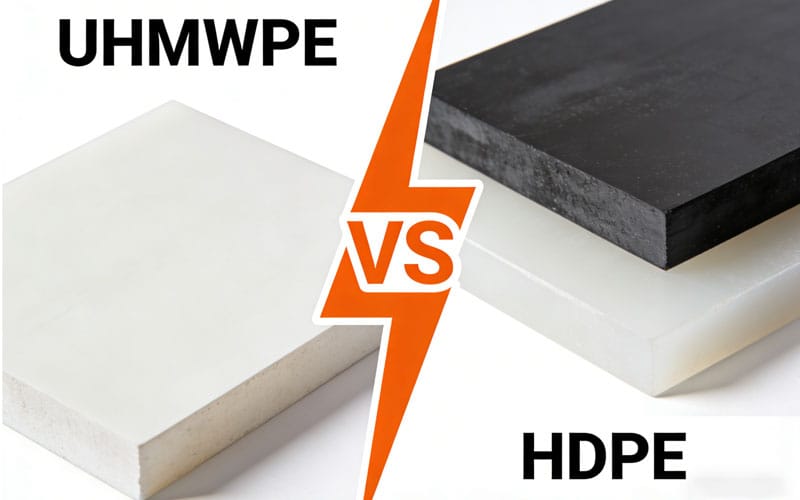
UHMWPE vs HDPE: Key Differences
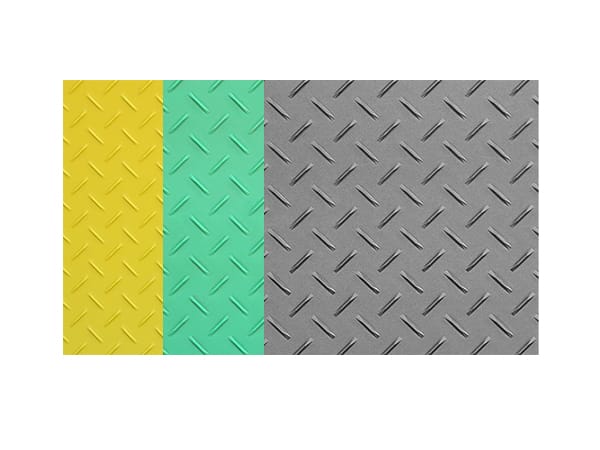
The primary difference between UHMWPE and HDPE lies in molecular weight and resulting performance characteristics. UHMWPE is engineered for extreme conditions, offering superior wear resistance, impact strength, and low friction. HDPE is designed for cost-effective versatility, providing reliable performance for general applications at a lower price point.
| Property | UHMWPE | HDPE |
|---|---|---|
| Molecular Weight | Extremely High (3–10 million) | Moderate |
| Wear Resistance | Excellent | Good |
| Friction Coefficient | Very Low | Low |
| Impact Strength | Outstanding | Moderate |
| Chemical Resistance | Excellent | Good |
| Operating Temperature | -200°C to 80°C | -100°C to 60°C |
| Service Life | Very Long | Moderate |
| Cost | Higher | Lower |
| Machinability | Moderate | Easy |
This comparison clearly demonstrates that UHMWPE is ideal for high-stress, high-wear environments, while HDPE is better suited for budget-sensitive, general-purpose applications.
Wear Resistance
Wear resistance is one of the most critical factors when selecting a plastic material. UHMWPE offers exceptional abrasion resistance, making it ideal for industrial conveyors, chutes, hoppers, and other components exposed to continuous friction or abrasive materials. HDPE also provides wear resistance, but it degrades faster under heavy loads or high-friction conditions, limiting its suitability for extreme industrial environments.
Impact Strength and Durability
UHMWPE exhibits superior impact absorption, maintaining structural integrity under heavy loads and extreme conditions. This makes it perfect for applications like mining and bulk material handling where sudden impacts or heavy forces are common. HDPE, while durable for general use, is more prone to deformation under extreme stress, making it less suitable for demanding industrial applications.
Friction Performance
UHMWPE has an extremely low coefficient of friction, allowing materials to slide smoothly and efficiently over its surface. This self-lubricating property reduces energy consumption and prevents material buildup. HDPE also offers low friction, but its performance is less effective in high-load or high-speed sliding applications.
Chemical Resistance
Both UHMWPE and HDPE resist chemicals, including acids, alkalis, and industrial solvents. UHMWPE generally provides broader chemical stability and maintains its integrity in harsher chemical environments, while HDPE is sufficient for standard industrial or general-purpose chemical exposure.
Temperature Range
UHMWPE performs reliably across a wide temperature range, from -200°C to 80°C, making it suitable for extreme cold or moderate heat environments. HDPE has a more limited operating range of -100°C to 60°C, adequate for most standard industrial or outdoor applications but less suited for extreme temperature conditions.
Applications of UHMWPE
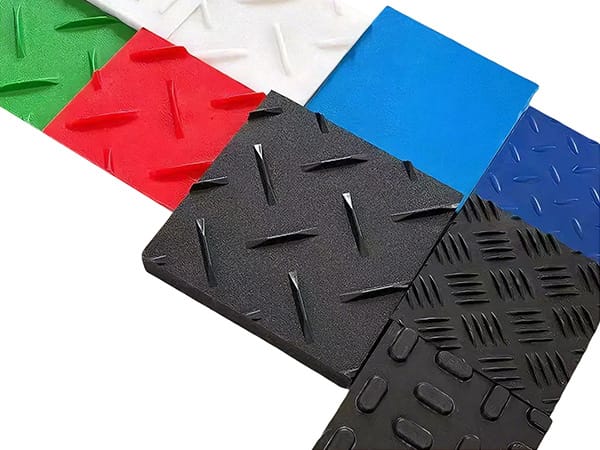
UHMWPE is widely used in high-performance applications. In conveyor systems, UHMWPE sheets reduce wear and energy consumption. In mining operations, hopper liners prevent material buildup and extend equipment lifespan. Marine applications often use UHMWPE fender pads for impact absorption. In the food industry, food-grade UHMWPE sheets are safe and hygienic, used for conveyor systems and processing guides. Additionally, UHMWPE is CNC-machined for precise mechanical components, wear strips, and guide rails where high durability is required.
Applications of HDPE
HDPE is suitable for general-purpose and budget-conscious applications. Water tanks, pipes, and drainage systems use HDPE due to its moisture resistance and durability. It is widely used in packaging, crates, containers, construction panels, and food-grade cutting boards. HDPE’s ease of fabrication and lower cost make it ideal for applications that do not require extreme wear resistance or low friction.
How to Choose Between UHMWPE and HDPE
Choosing the right material depends on your application requirements. Opt for UHMWPE if your project involves high wear, heavy impact, low friction, or extended service life. Choose HDPE if your focus is on cost-efficiency, ease of fabrication, and moderate performance requirements. Evaluating the operating environment, expected lifespan, and maintenance requirements is critical for selecting the most cost-effective solution.
Case Examples
A mining company replaced HDPE chute liners with UHMWPE sheets. Maintenance frequency dropped by 60%, and operational efficiency improved due to UHMWPE’s superior wear resistance. A food processing plant used UHMWPE for conveyor guides and rails. Low friction and food-safe certification prevented product sticking and reduced cleaning time. In municipal water storage projects, HDPE sheets were chosen for tanks due to sufficient chemical resistance and lower cost, demonstrating HDPE’s value in budget-sensitive applications.
FAQ
Is UHMWPE stronger than HDPE?
Yes, UHMWPE has higher impact strength and wear resistance, making it stronger in demanding applications.
Why is UHMWPE more expensive than HDPE?
UHMWPE requires high molecular weight polymers and advanced manufacturing processes, increasing cost.
Can both materials be machined?
Yes, both can be machined, but UHMWPE is tougher and requires specialized cutting tools.
Which material is better for outdoor use?
Both materials are suitable for outdoor use, but UV-stabilized grades are recommended for long-term exposure.
Can UHMWPE replace HDPE in all applications?
Not always. UHMWPE is optimal for high-performance applications, while HDPE is sufficient for general-purpose or budget-conscious projects.
Conclusion
The choice between UHMWPE and HDPE depends on balancing performance and cost. UHMWPE is ideal for high-wear, low-friction, and high-impact applications, offering long-term durability and reduced maintenance. HDPE is cost-effective, easy to fabricate, and suitable for general-purpose or less demanding projects. Understanding their strengths and limitations ensures efficient, reliable, and cost-effective material selection.