

Table of Contents
Introduction
In industrial material selection, the comparison of UHMWPE vs Nylon is one of the most common challenges faced by engineers, designers, and procurement teams. Both materials are widely used in wear components, mechanical parts, and structural applications, but they behave very differently under real operating conditions.
Understanding the differences between UHMWPE vs Nylon is essential for improving equipment performance, reducing maintenance costs, and ensuring long-term reliability. This article provides a comprehensive comparison covering material structure, wear behavior, mechanical strength, environmental performance, and practical selection strategies.
Overview of UHMWPE vs Nylon Materials
UHMWPE is a polyethylene-based engineering plastic known for its ultra-high molecular weight, excellent wear resistance, and very low friction coefficient. It is commonly used in sliding and abrasion-intensive applications.
Nylon, also known as polyamide, is a strong and rigid engineering plastic with good mechanical strength and load-bearing capacity. It is widely used in gears, bushings, and structural components.
The comparison of UHMWPE vs Nylon highlights a trade-off between wear performance and mechanical strength.

Molecular Structure and Material Behavior
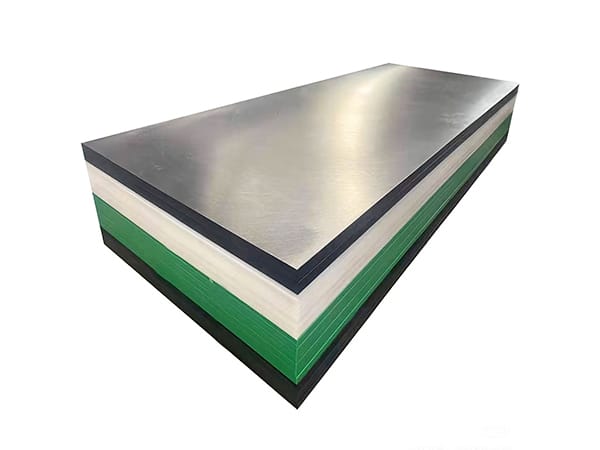
In UHMWPE vs Nylon comparisons, molecular structure plays a key role. UHMWPE has long, entangled polymer chains that provide excellent toughness and resistance to surface wear.
Nylon has a more crystalline structure, which gives it higher rigidity and strength but also makes it more sensitive to moisture and friction heat.
These differences influence how each material performs under load and movement.
Wear Resistance and Abrasion Performance
Wear resistance is one of the most significant differences in UHMWPE vs Nylon selection. UHMWPE offers superior abrasion resistance, especially in applications involving continuous sliding or bulk material handling.
Nylon provides moderate wear resistance but may wear faster in high-friction environments. In UHMWPE vs Nylon applications such as conveyor systems or liners, UHMWPE is often the preferred material.
Friction Characteristics and Sliding Behavior
UHMWPE has a very low coefficient of friction and excellent self-lubricating properties. This makes it ideal for sliding components and reduces the need for external lubrication.
In UHMWPE vs Nylon comparisons, Nylon has a higher friction coefficient and may generate more heat during operation. This can affect performance in high-speed or continuous-motion systems.
Load Capacity and Mechanical Strength
Nylon offers higher tensile strength and rigidity compared to UHMWPE. In UHMWPE vs Nylon structural applications, Nylon is often selected for load-bearing components that require stiffness and dimensional stability.
UHMWPE, while tough and impact-resistant, is softer and more flexible, making it less suitable for applications requiring high structural strength.
Moisture Absorption and Dimensional Stability
One of the key disadvantages of Nylon in UHMWPE vs Nylon comparisons is its tendency to absorb moisture. This can lead to dimensional changes and affect mechanical performance.
UHMWPE absorbs almost no water, maintaining stable dimensions even in humid or wet environments. This makes UHMWPE more reliable in applications where environmental stability is critical.
Chemical Resistance and Environmental Performance
In UHMWPE vs Nylon evaluations, UHMWPE generally offers better chemical resistance, especially against acids and alkalis.
Nylon can be affected by certain chemicals and may degrade over time in harsh environments. For applications involving chemical exposure, UHMWPE is often the safer choice.
Temperature Resistance and Operating Conditions
Nylon performs better at higher temperatures and maintains structural integrity in moderately elevated temperature environments.
In UHMWPE vs Nylon temperature comparisons, UHMWPE has lower heat resistance but performs well in low-temperature conditions where impact resistance is required.
Machining and Processing Considerations
Both UHMWPE and Nylon can be machined using standard CNC processes. In UHMWPE vs Nylon machining, UHMWPE requires careful handling due to its flexibility, while Nylon offers better dimensional precision.
Material selection should consider both machining requirements and final application performance.
Typical Applications for UHMWPE
In UHMWPE vs Nylon selection, UHMWPE is commonly used for wear strips, guide rails, conveyor components, chute liners, and sliding surfaces where low friction and wear resistance are critical.
Typical Applications for Nylon
Nylon is widely used in gears, bushings, rollers, structural parts, and mechanical components that require strength, stiffness, and load-bearing capacity.
Performance Comparison Table
| Property | UHMWPE | Nylon |
|---|---|---|
| Wear Resistance | Excellent | Moderate |
| Friction Coefficient | Very Low | Medium |
| Impact Strength | Excellent | Good |
| Load Capacity | Moderate | High |
| Water Absorption | Very Low | High |
| Chemical Resistance | Excellent | Moderate |
| Temperature Resistance | Moderate | Good |
| Dimensional Stability | Excellent | Moderate |
This table summarizes the core differences in UHMWPE vs Nylon performance.
Cost Considerations
In UHMWPE vs Nylon cost analysis, Nylon may offer lower initial cost in some applications. However, UHMWPE often provides longer service life in wear-intensive environments.
Reduced maintenance, lower downtime, and improved operational efficiency can make UHMWPE more cost-effective over time.

How to Choose Between UHMWPE vs Nylon
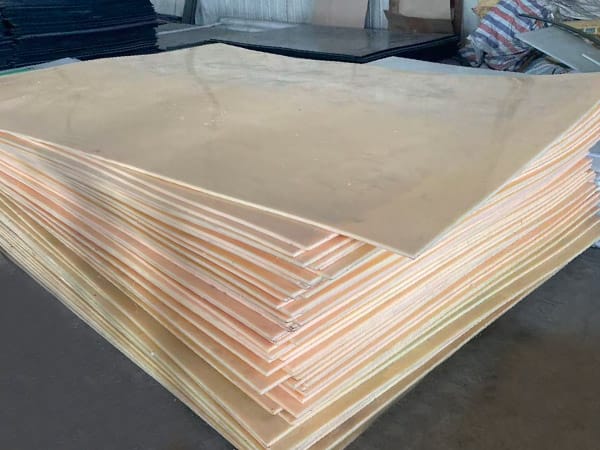
Choosing between UHMWPE vs Nylon depends on application requirements. For wear resistance, low friction, and environmental stability, UHMWPE is typically preferred.
For strength and structural performance, UHMWPE vs Nylon selection may favor Nylon.
Conclusion
The comparison of UHMWPE vs Nylon demonstrates that both materials serve important but different roles in industrial applications. UHMWPE excels in wear resistance, low friction, and environmental stability, while Nylon provides superior strength and structural performance.
Selecting the right material depends on balancing wear conditions, load requirements, and environmental factors to achieve optimal performance and cost efficiency.
FAQ
What is the main difference between UHMWPE vs Nylon?
UHMWPE offers better wear resistance and lower friction, while Nylon provides higher strength and rigidity.
Which material is better for high-friction environments?
UHMWPE is better suited for high-friction and sliding applications.
Can UHMWPE handle heavy loads?
Yes, Nylon absorbs moisture, which can impact its dimensions and mechanical properties.
How do I choose between UHMWPE and Nylon for my project?
Evaluate wear conditions, load requirements, and environmental factors, and consult with a manufacturer for the best solution.