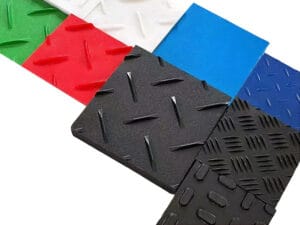


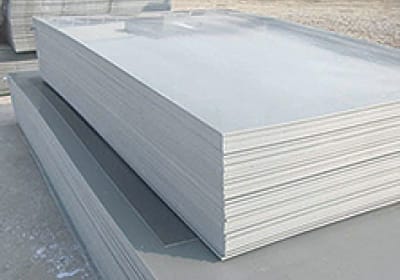
In the high-stakes environment of heavy industry, material failure is not just an inconvenience; it is a significant financial drain. For years, engineers struggled with the limitations of heavy metals—specifically rust and excessive wear. Today, the shift toward a high-quality industrial plastic sheet has redefined operational standards. These advanced polymers offer a unique combination of lightweight properties and extreme durability that traditional materials simply cannot match.
By integrating specialized industrial plastic sheet materials into your production line, you are investing in a solution that resists the primary causes of equipment failure: friction, chemical corrosion, and high-impact stress.
Table of Contents
The Technical Edge: Material Performance Data
Choosing the right industrial plastic sheet requires a deep understanding of technical specifications. Different polymers are engineered for specific stressors, ranging from the scouring of coal to the corrosive nature of chemical waste. According to research on thermoplastic material properties (external link), the molecular weight and density of these sheets dictate their resistance levels.
The following table outlines the standardized dimensions and core strengths of the most effective industrial polymers currently available:
| Material Type | Thickness Range | Max Width | Primary Industrial Application |
| UHMWPE Sheet | 3mm – 200mm | 5260mm | Mining liners & marine fenders |
| Nylon PA6 Sheet | 5mm – 100mm | 2200mm | Gears & high-strength machinery |
| HDPE Board | 1mm – 30mm | 1500mm | Industrial tanks & load-bearing |
| PP Sheet | 0.5mm – 60mm | 1500mm | Chemical & environmental equipment |
Case Study 1: Eliminating Downtime in Mining Operations
In the mining and coal sectors, conveyor systems and chutes are constantly subjected to the scouring of raw minerals. A facility recently reported that after replacing traditional metal liners with an impact-resistant industrial plastic sheet (specifically UHMWPE), they saw a dramatic reduction in operational downtime.
The self-lubricating nature of this industrial plastic sheet prevents material adhesion, ensuring that coal and ore flow smoothly through the system without clogging. This not only extends the service life of the conveyor equipment but also significantly lowers annual maintenance costs. You can learn more about how global market demands (external link) are driving the adoption of these polymers in heavy industry.
Case Study 2: Compliance in the Food and Pharmaceutical Industry
Safety and hygiene are non-negotiable in pharmaceutical and food production. Standard metal surfaces can corrode or harbor bacteria, but a high-density industrial plastic sheet offers a non-toxic and odorless alternative. These sheets are designed to meet strict contact standards, ensuring that production and transportation links remain uncontaminated.
Because an industrial plastic sheet is easy to clean and resistant to chemical sanitizers, it has become a staple in medical supply manufacturing and food processing facilities. These materials often comply with FDA food contact regulations (external link), providing peace of mind for B2B partners who prioritize safety.
Precision Customization for Specialized Needs
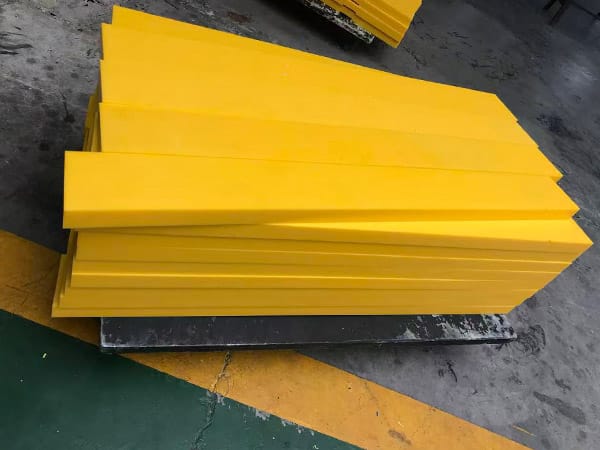
A significant advantage of modern manufacturing is the ability to move beyond standardized plates. Today, an industrial plastic sheet can be processed using advanced CNC technology to create customized plastic parts tailored to specific machinery. Whether you need specialized gears, outrigger pads, or special-shaped components, precision processing ensures a perfect fit for medical supplies, automotive parts, and electronic components.
This customization extends to the marine industry as well. For instance, marine fender facing pads fabricated from an industrial plastic sheet provide anti-slip and wear-resistant solutions for port loading and unloading. To ensure these products withstand the harsh salt-water environment, they must adhere to international marine standards (external link).
Choosing the Right Partner for Your Industry
To maximize the benefits of an industrial plastic sheet, it is essential to work with a manufacturer that offers a Strength Guarantee and utilizes cutting-edge inspection equipment. Innovation in engineering plastics is driven by professional R&D teams that focus on wear and corrosion resistance.
If your facility is facing challenges with material wear or chemical degradation, you should contact a technical specialist to discuss a tailored solution. As noted in research from Materials Performance (external link), selecting the correct corrosion-resistant material is the most effective way to ensure long-term system stability.
FAQ
Can an industrial plastic sheet be used in outdoor construction?
Yes. Materials like HDPE and PP are designed to resist harsh outdoor environments, making them suitable for agricultural machinery and municipal engineering projects.
What is the benefit of using an industrial plastic sheet in water treatment?
These sheets resist chemical corrosive media, ensuring that environmental water treatment equipment operates stably without the risk of rust or degradation.
How wide can an industrial plastic sheet be manufactured?
Depending on the material, widths can reach up to 5260mm for UHMWPE and 2200mm for Nylon PA6, allowing for large-scale industrial applications.
Is it possible to get a custom color for heavy-duty pads?
Yes, many high-performance products, such as outrigger pads and heavy-duty plates, can be customized in terms of dimensions and color to meet specific branding or safety requirements.