


Description
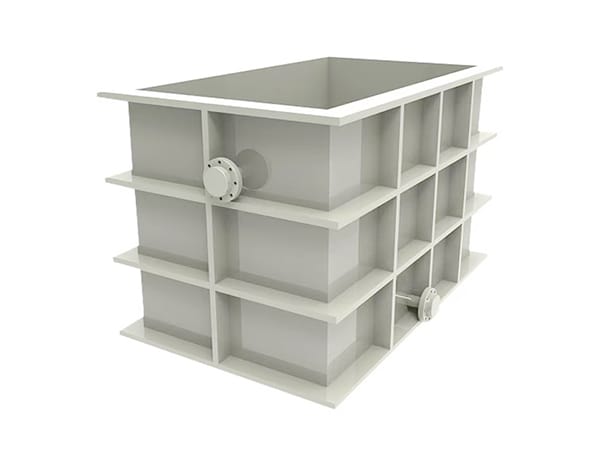
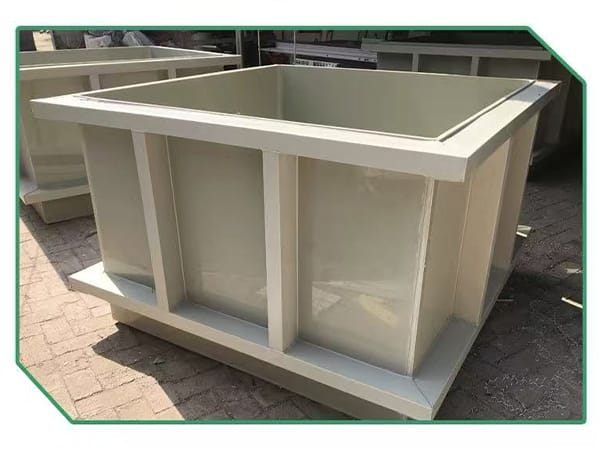
PP/PE Industrial Plastic Water Tank should be specified around a clear buying intent: fabricated tank inquiry. A PP/PE industrial plastic water tank should be specified around the stored liquid, temperature, tank geometry, fitting layout, support structure, and fabrication requirements.
The fastest way to get a useful quotation is to send the drawing, target dimensions, quantity, working condition, installation method, and any inspection or packing requirement at the start of the inquiry.

Start with the liquid and operating condition
Buyers should identify whether the tank stores water, process liquid, rinse solution, or chemical media. Chemical name, concentration, temperature, cleaning method, and contact time drive material and fabrication choices.
Tank drawings prevent quotation gaps
A useful drawing shows tank length, width, height, wall thickness, cover, inlet, outlet, drain, overflow, reinforcement, weld layout, and support. Without those details, a tank inquiry becomes a guess.
PP and PE are not interchangeable labels
PP may be selected for some welded chemical fabrication, while PE may be preferred for other storage or handling conditions. The final selection should follow exposure and structural requirements.
Specification checklist
| Liquid data | Name, concentration, temperature and cleaning method. |
| Tank geometry | Size, wall thickness, cover and reinforcement. |
| Fittings | Inlet, outlet, drain, overflow and flange details. |
Acceptance and purchasing checks
For a fabricated PP/PE tank, the most important acceptance check is whether the drawing describes a finished tank or only raw sheet supply. Welding, reinforcement, covers, fittings, and leak-related checks are fabrication scope, not ordinary sheet cutting.
A tank inquiry should also state how the tank will be supported after installation. A plastic tank sitting on a flat base, a frame, or partial supports may need different wall, bottom, and reinforcement discussion.
For this PP/PE Industrial Plastic Water Tank page, the inquiry should stay tied to fabricated tank inquiry. The buyer should organize the request around these product-specific points: Liquid data: Name, concentration, temperature and cleaning method.; Tank geometry: Size, wall thickness, cover and reinforcement.; Fittings: Inlet, outlet, drain, overflow and flange details.. That information lets the supplier separate this page from nearby product categories and review the correct production route, inspection scope, labeling needs, and packing method before quotation.
When the final order is prepared, reference PP/PE Industrial Plastic Water Tank by product name, drawing revision, quantity, and the agreed material description so purchasing, production, and inspection teams work from the same record.
This also gives future buyers a clearer search result for PP PE industrial plastic water tank instead of another broad, interchangeable plastic product page.
Related product choices
Related pages for clearer product selection include PP sheet, HDPE plastic sheets, CNC milling plastic parts. Reviewing the closest product path helps prevent one broad plastic-material page from competing with a more specific application page.
Conclusion
PP/PE Industrial Plastic Water Tank is best handled as a specific industrial purchasing request. Clear drawings, application details, and acceptance requirements help SDYZ Plastic review the correct material form and production scope.
FAQ
What should be included in a tank RFQ?
Send liquid data, tank drawing, fitting layout, quantity and installation condition.
Can the tank be customized?
Yes. Custom dimensions and fitting positions can be reviewed from drawings.
Is PP always better than PE?
No. Material choice depends on liquid, temperature, welding and support conditions.