



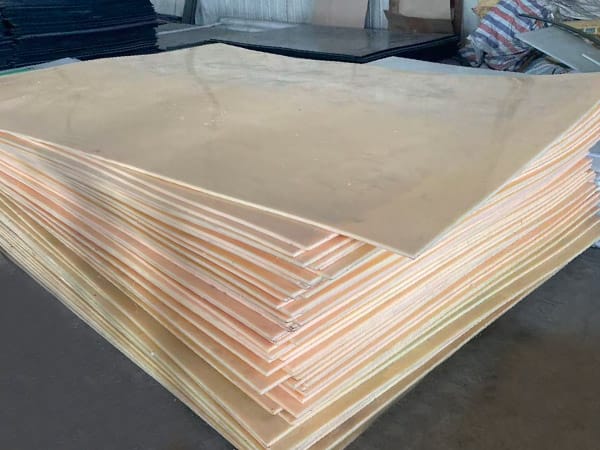
Description
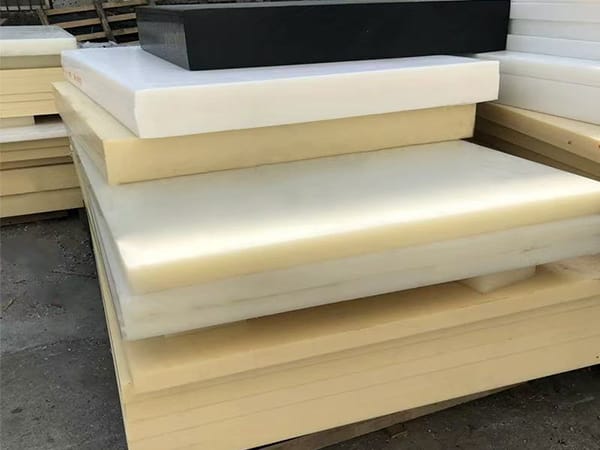
PA6 nylon sheet is selected when a buyer needs a machinable engineering plastic for rollers, gears, wear blocks, spacers, and other mechanical parts. It offers a different balance from polyethylene materials because stiffness, toughness, wear behavior, and moisture absorption all matter.
The buying decision should start with the finished part, not only the raw sheet. A nylon part used in a machine must be reviewed for load, speed, moisture exposure, tolerance, lubrication, and dimensional change.

How to specify PA6 Nylon Sheet
The material background can be reviewed through nylon 6 material background, but the purchase specification should be based on the actual drawing, operating condition, inspection need, and installation method.
Where PA6 nylon sheet fits best
PA6 nylon sheet is useful for machined components that need more mechanical strength or stiffness than many polyethylene parts. Typical examples include rollers, gears, spacers, bushings, bearing pads, guide blocks, and machine wear parts.
For very low-friction sliding liners, UHMWPE may be more appropriate. For chemical tank fabrication, PP or HDPE may be considered instead. PA6 nylon sheet should be chosen when the mechanical design supports nylon's behavior.
Moisture and tolerance considerations
Nylon 6 can absorb moisture, and that can affect dimensions. Buyers requesting tight tolerances should state the operating environment, storage condition, and whether the part will be used in a wet, humid, or dry setting.
For machined gears or rollers, the drawing should define bore size, keyways, tooth or groove profile, concentricity needs, and surface finish. The raw sheet thickness alone is not enough for accurate production.
How to prepare a nylon-sheet RFQ
Send the finished part drawing first when the sheet will be machined. The supplier can then discuss blank size, machining allowance, tool access, and inspection points.
If the order is for raw sheet, specify thickness, width, length, color, quantity, and whether the material will be machined by the buyer. Packaging matters for sheets that must remain clean and flat before processing.
Application and RFQ checklist
| Gear blank | Confirm bore, keyway, tooth profile, load, speed, and tolerance. |
| Roller or wheel | Check diameter, shaft fit, edge form, surface finish, and moisture exposure. |
| Spacer or wear block | Provide thickness, hole pattern, load direction, and contact material. |
| Raw nylon sheet | State sheet size, thickness, color, quantity, and packing requirement. |
Related product paths
Buyers comparing this product can also review CNC machining plastic gear, CNC milling plastic parts, UHMWPE plastic sheets. These internal links separate material sheet, machined component, support-pad, and access-mat intent so the product pages do not compete for the same query.
Before requesting a quotation
Send the product name, drawing or target size, thickness, quantity, working environment, surface or machining requirement, tolerance expectation, and packing notes. If the product replaces a failed part, photos of the damaged or worn area can help identify the actual selection problem.
Conclusion
PA6 Nylon Sheet should be selected around a specific use case, not a generic plastic category. A concise RFQ with application details helps SDYZ Plastic review the suitable material form, processing scope, and repeat-order requirements.
FAQ
What is PA6 nylon sheet used for?
It is used for machined gears, rollers, spacers, bushings, wear pads, and custom mechanical components.
Does PA6 nylon absorb moisture?
Yes. Moisture absorption should be considered when tight tolerances or dimensional stability are important.
Is PA6 nylon sheet better than UHMWPE sheet?
Not universally. PA6 nylon may offer more stiffness for mechanical parts, while UHMWPE is often chosen for low-friction wear surfaces.
Can PA6 nylon sheet be CNC machined?
Yes. Provide drawings, tolerances, holes, bores, grooves, and surface requirements for accurate machining review.
What information should buyers provide?
Provide part drawing, load condition, moisture exposure, tolerance, quantity, and whether the order is raw sheet or finished parts.