

Description
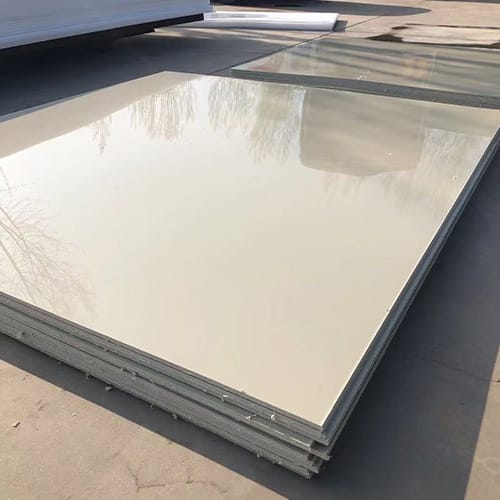
PP sheet is purchased for chemical fabrication, welded plastic tanks, trays, liners, and industrial structures where polypropylene's chemical resistance and weldability fit the design. The buyer's main task is to connect the sheet specification to the actual chemical and fabrication method.
This page should not be treated as another general plastic sheet page. PP sheet selection depends heavily on chemical exposure, operating temperature, support structure, welding procedure, and the way fittings or reinforcements are attached.

How to specify PP Sheet
The material background can be reviewed through polypropylene material background, but the purchase specification should be based on the actual drawing, operating condition, inspection need, and installation method.
When PP sheet is preferred over other plastics
PP sheet may be a strong candidate where the project needs welded construction, chemical handling, process tanks, trays, ducting panels, or corrosion-resistant fabrication. The final choice must still be checked against the actual chemical, concentration, and temperature.
HDPE sheet is often used for tough general fabrication and moisture-resistant panels. UHMWPE sheet is often used for sliding wear. PP sheet should win only when the service condition and fabrication method support it.
Chemical and temperature information buyers should provide
A useful inquiry states each chemical name, concentration, maximum temperature, contact time, cleaning method, and whether the sheet will be fully supported or partly unsupported. These details change material selection and thickness decisions.
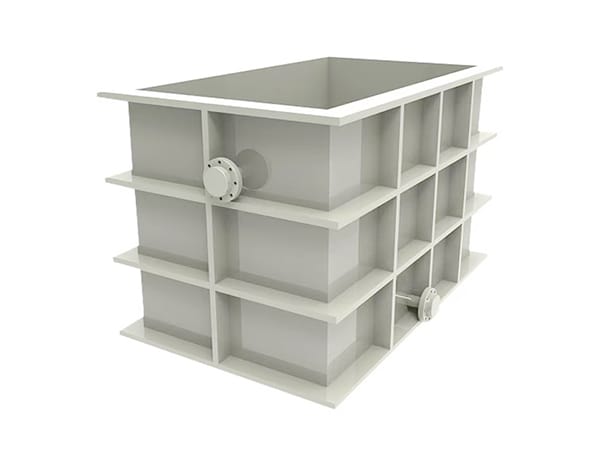
For tanks or process equipment, the drawing should show weld seams, baffles, fittings, reinforcement, support spacing, and access openings. A flat sheet quotation does not automatically cover a fabricated assembly.
Welding, cutting, and fabrication boundaries
If the buyer needs welded PP structures, the quotation should separate sheet supply from fabrication labor. Cutting panels, preparing edges, welding assemblies, and checking finished dimensions are different scopes.
Repeat orders should keep the same drawing revision and material description. Small changes to fitting positions or sheet thickness can affect welding sequence and installation fit.
Application and RFQ checklist
| Chemical tank panel | Confirm chemical, concentration, temperature, support and weld layout. |
| Tray or process liner | Check liquid exposure, cleaning, impact risk, and drainage details. |
| Cut sheet for fabrication | Specify size, thickness, color, quantity, and whether edges need preparation. |
| Machined PP component | Provide drawing, tolerance, hole positions, and finished surface requirements. |
Related product paths
Buyers comparing this product can also review PP/PE industrial plastic water tank, HDPE plastic sheets, CNC milling plastic parts. These internal links separate material sheet, machined component, support-pad, and access-mat intent so the product pages do not compete for the same query.
Before requesting a quotation
Send the product name, drawing or target size, thickness, quantity, working environment, surface or machining requirement, tolerance expectation, and packing notes. If the product replaces a failed part, photos of the damaged or worn area can help identify the actual selection problem.
Conclusion
PP Sheet should be selected around a specific use case, not a generic plastic category. A concise RFQ with application details helps SDYZ Plastic review the suitable material form, processing scope, and repeat-order requirements.
FAQ
What is PP sheet used for?
PP sheet is used for chemical fabrication, welded tanks, liners, trays, process panels, and custom industrial parts.
Is PP sheet suitable for every chemical?
No. Suitability depends on the chemical, concentration, temperature, contact time, and cleaning method.
Can PP sheet be welded?
Yes. PP is commonly considered for welded plastic fabrication, but the exact welding scope should be defined in the drawing or RFQ.
How is PP sheet different from HDPE sheet?
PP is often selected for welded chemical fabrication, while HDPE is often used for tough general panels and moisture-resistant parts.
What should be included in a PP sheet inquiry?
Include chemical exposure, temperature, thickness, size, welding or machining needs, quantity, and drawing revision.