

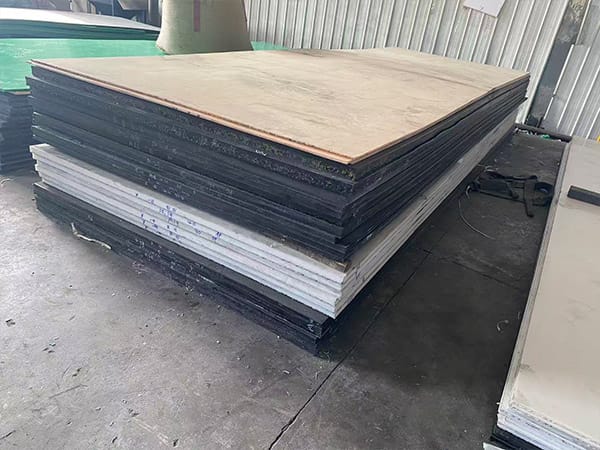

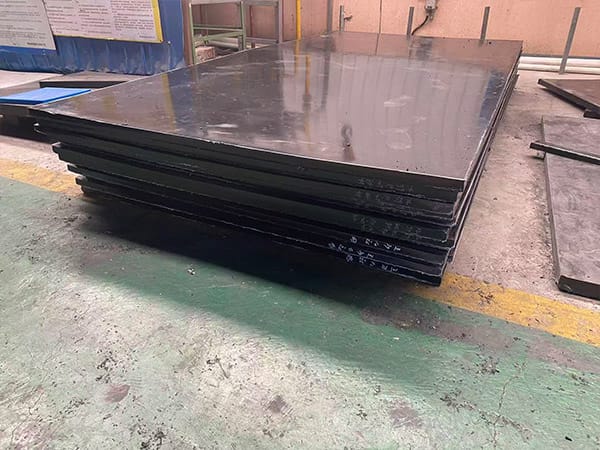
Description
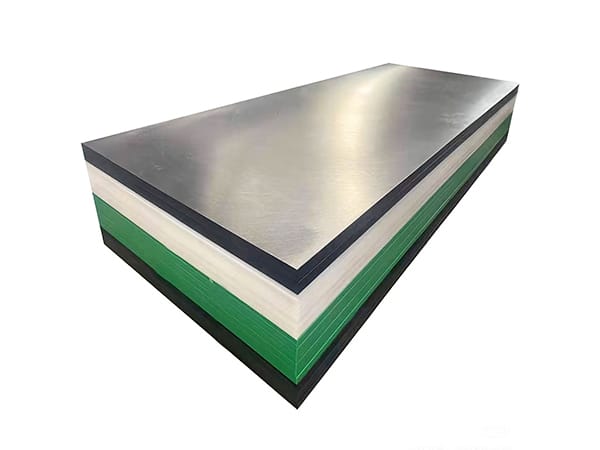
UHMWPE plastic sheets are purchased when a project needs a low-friction, wear-resistant plastic blank that can be cut, drilled, routed, or machined into working parts. The buying question is usually not whether the material is popular; it is whether the sheet form, thickness, and finish can match the real contact condition.
For conveyor, packaging, mining, food-processing, marine, and general machinery applications, the useful specification starts with the moving surface. Sliding speed, abrasive dust, impact, fastening method, and cleaning all change how a UHMWPE sheet should be selected.

How to specify UHMWPE Plastic Sheets
The material background can be reviewed through UHMWPE material background, but the purchase specification should be based on the actual drawing, operating condition, inspection need, and installation method.
Best-fit applications for UHMWPE sheet
Use UHMWPE plastic sheets for wear strips, chute liners, guide rails, chain-support surfaces, sliding blocks, machined pads, and replaceable protection plates. The material is chosen most often where steel is too noisy, too abrasive to the mating surface, or too difficult to replace in the field.
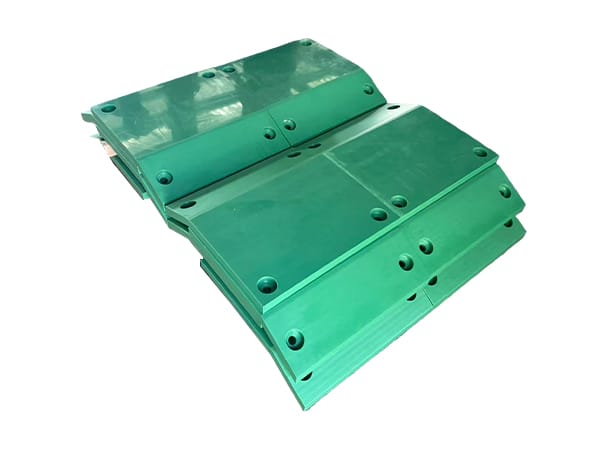
UHMWPE sheet is not the same purchase as a finished guide rail or a marine fender panel. A sheet gives the buyer flexibility for machining and fabrication, while a finished component needs tighter drawing control, hole placement, edge detail, and inspection requirements.
Specification details that change performance
Thickness should be chosen around wear allowance, fastening depth, stiffness, and the available installation space. Oversizing a sheet can create unnecessary machining and handling work; undersizing can leave too little material for countersunk holes or future wear.
Color is usually a tracking or installation choice unless the project has a documented material requirement. Surface finish matters where the UHMWPE sheet will slide against chain, bulk solids, packaging, or another plastic surface.
How to avoid ordering the wrong plastic sheet
A drawing should separate finished size from raw blank size. Finished size controls fit. Raw blank size controls cutting yield and machining allowance. Mixing the two creates disputes when a buyer expects a finished part but receives material prepared for later machining.
If the part replaces a failed liner, include photos of the worn surface. Grooves, polishing, embedded grit, cracked corners, and elongated holes help identify whether the old part failed from abrasion, impact, fastening, or alignment.
Application and RFQ checklist
| Wear liner or strip | Confirm contact material, abrasive content, fastening method, and replacement access. |
| Machined block or pad | Provide finished drawing, tolerance, hole detail, and required edge treatment. |
| Conveyor guide surface | Check chain width, guide profile, sliding speed, and operating temperature. |
| Cut-to-size sheet | State exact sheet dimensions, thickness, color, quantity, and packing needs. |
Related product paths
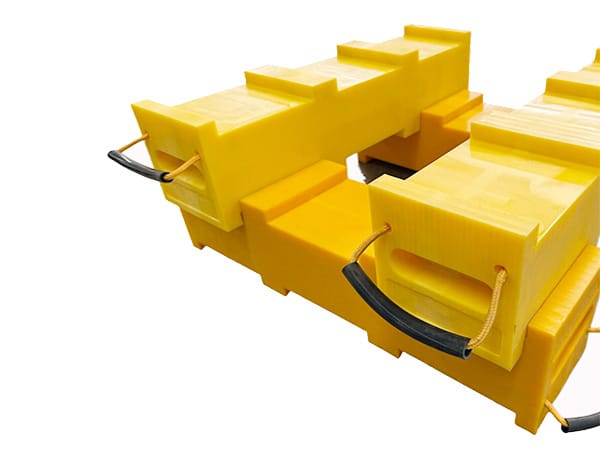
Buyers comparing this product can also review UHMW PE sheet options, UHMW-PE chain guide rail, CNC milling plastic parts. These internal links separate material sheet, machined component, support-pad, and access-mat intent so the product pages do not compete for the same query.
Before requesting a quotation
Send the product name, drawing or target size, thickness, quantity, working environment, surface or machining requirement, tolerance expectation, and packing notes. If the product replaces a failed part, photos of the damaged or worn area can help identify the actual selection problem.
Conclusion
UHMWPE Plastic Sheets should be selected around a specific use case, not a generic plastic category. A concise RFQ with application details helps SDYZ Plastic review the suitable material form, processing scope, and repeat-order requirements.
FAQ
What are UHMWPE plastic sheets mainly used for?
They are mainly used for sliding wear surfaces, liners, guide parts, machined pads, and custom industrial components where low friction and abrasion resistance are important.
Can UHMWPE sheet be machined into finished parts?
Yes. A buyer should provide a drawing with hole positions, tolerances, edge details, and quantity so the machining scope is clear before quotation.
Is UHMWPE sheet the same as HDPE sheet?
No. Both are polyethylene materials, but UHMWPE is usually selected for stronger wear and sliding performance, while HDPE is often chosen for general fabrication and chemical-resistant panels.
What information should be sent with an inquiry?
Send thickness, sheet size or part drawing, color, quantity, working condition, mating surface, and any inspection or packing requirements.
When should a buyer ask for a finished component instead of raw sheet?
Ask for a finished component when holes, slots, profiles, tight fit, labeling, or repeat-order consistency are important.